Get a Wholesale Quote & Linesheet
Tell us what you need. We reply on WhatsApp with our linesheet and an indicative FOB quote, and set up samples. Wholesale or OEM/private-label — Bali-made resortwear, low-MOQ options available.
Indicative FOB pricing by quote, no obligation. Samples available; we handle export packing & documents.
Shop the Range
Bali-made resortwear for boutiques, resorts and brands — kaftans, beach and resort dresses, cover-ups, jumpsuits, kimonos and linen. Wholesale and OEM/private-label.
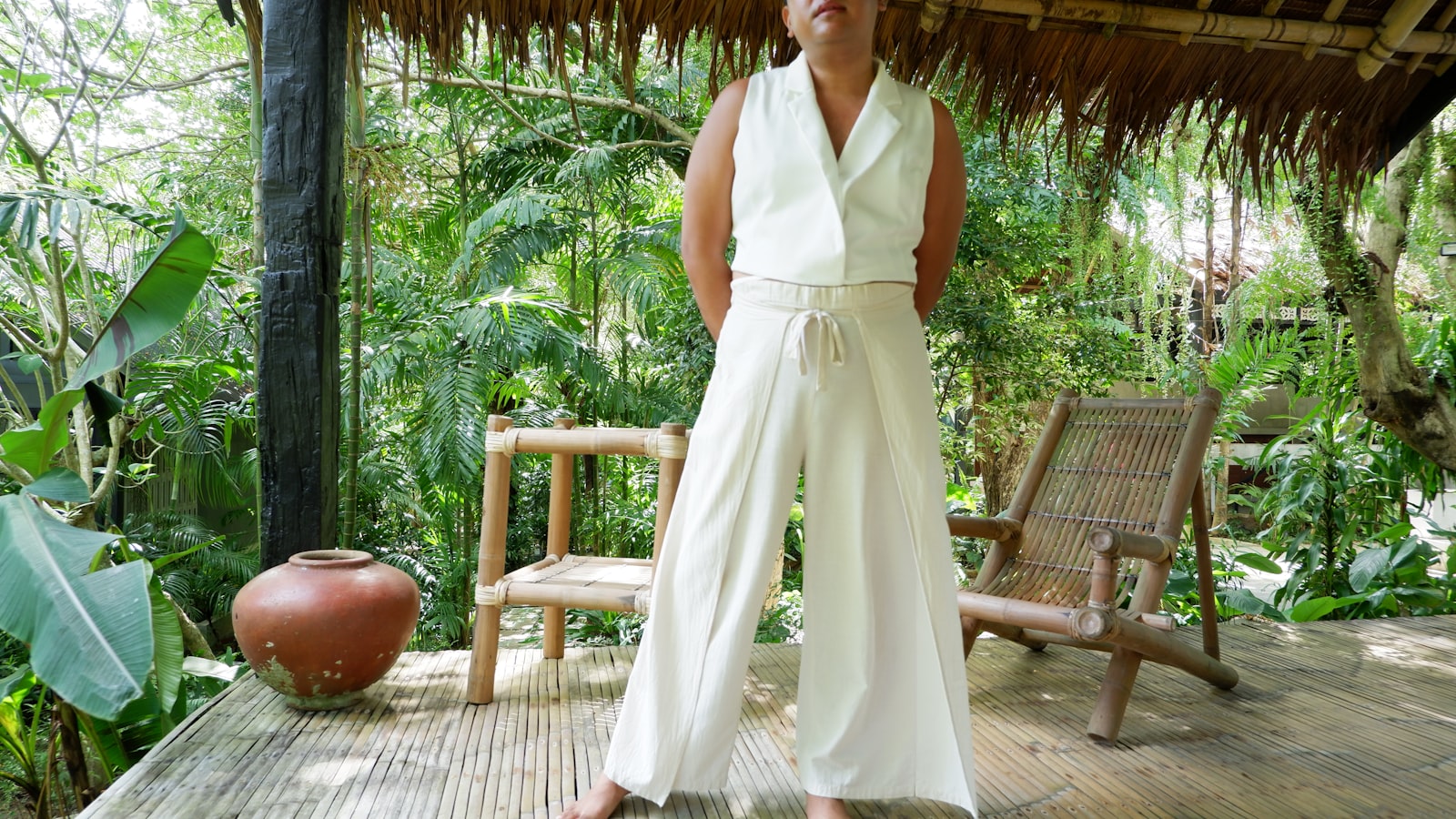


Wholesale & OEM
Honest pricing and real MOQs, decoded for buyers. Indicative: rayon maxi dress about $12–$25 FOB (print-dependent), viscose resort dress $20–$30; production from ~20–50 pcs/style-colour with total-order minimums from ~200–1,000 pcs — all by quote.
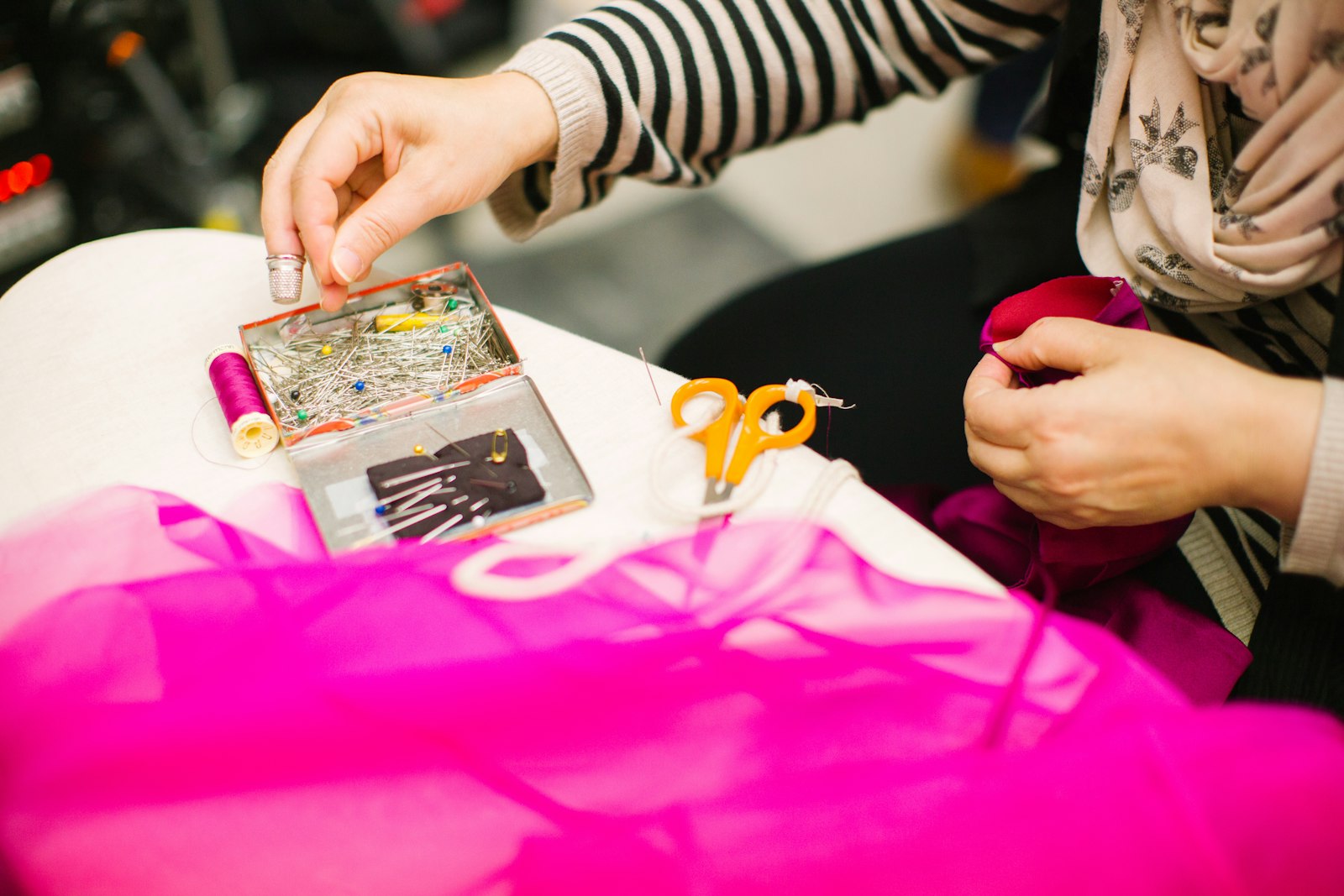
Private Label / OEM
Start OEM →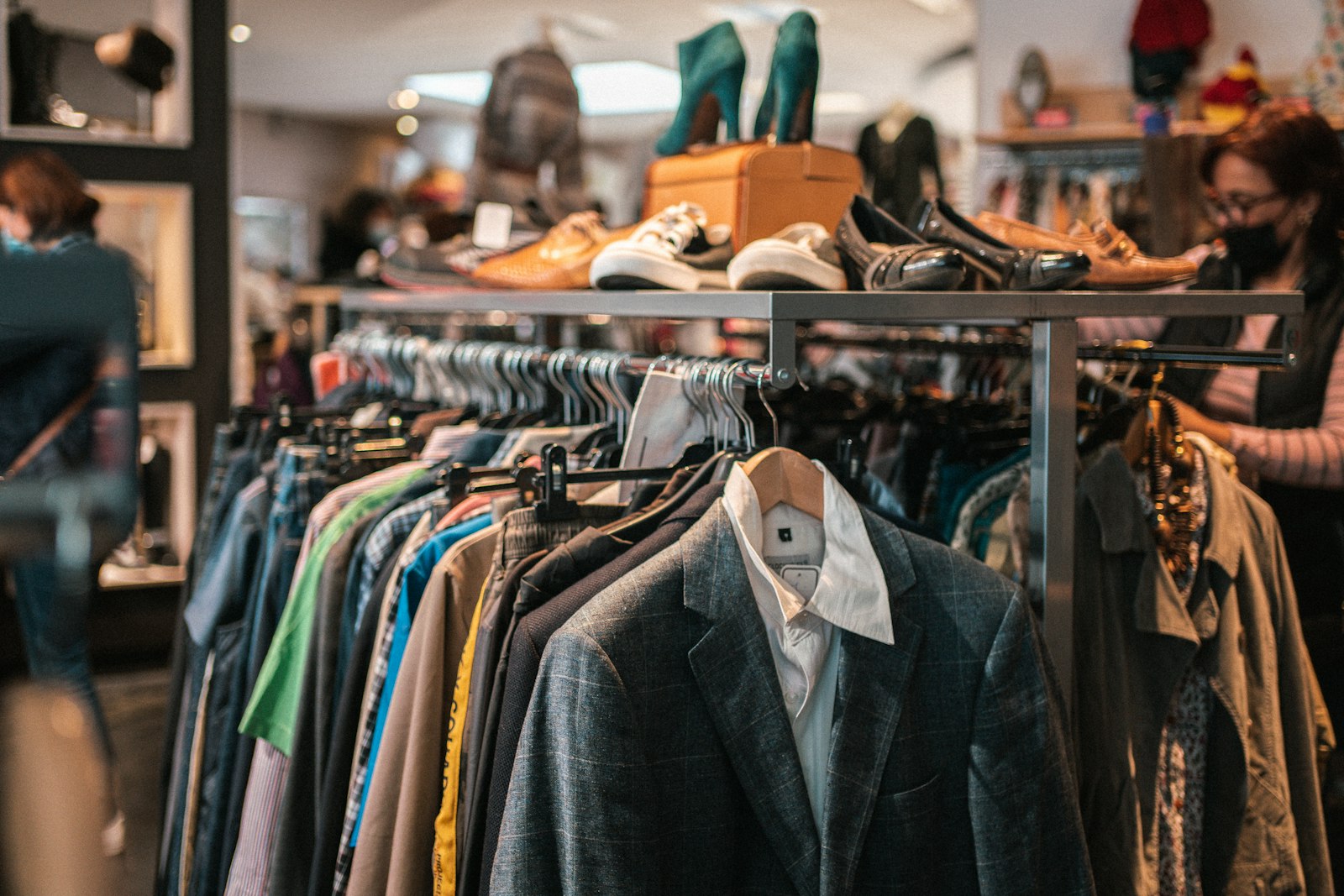
Price Guide (FOB)
See prices →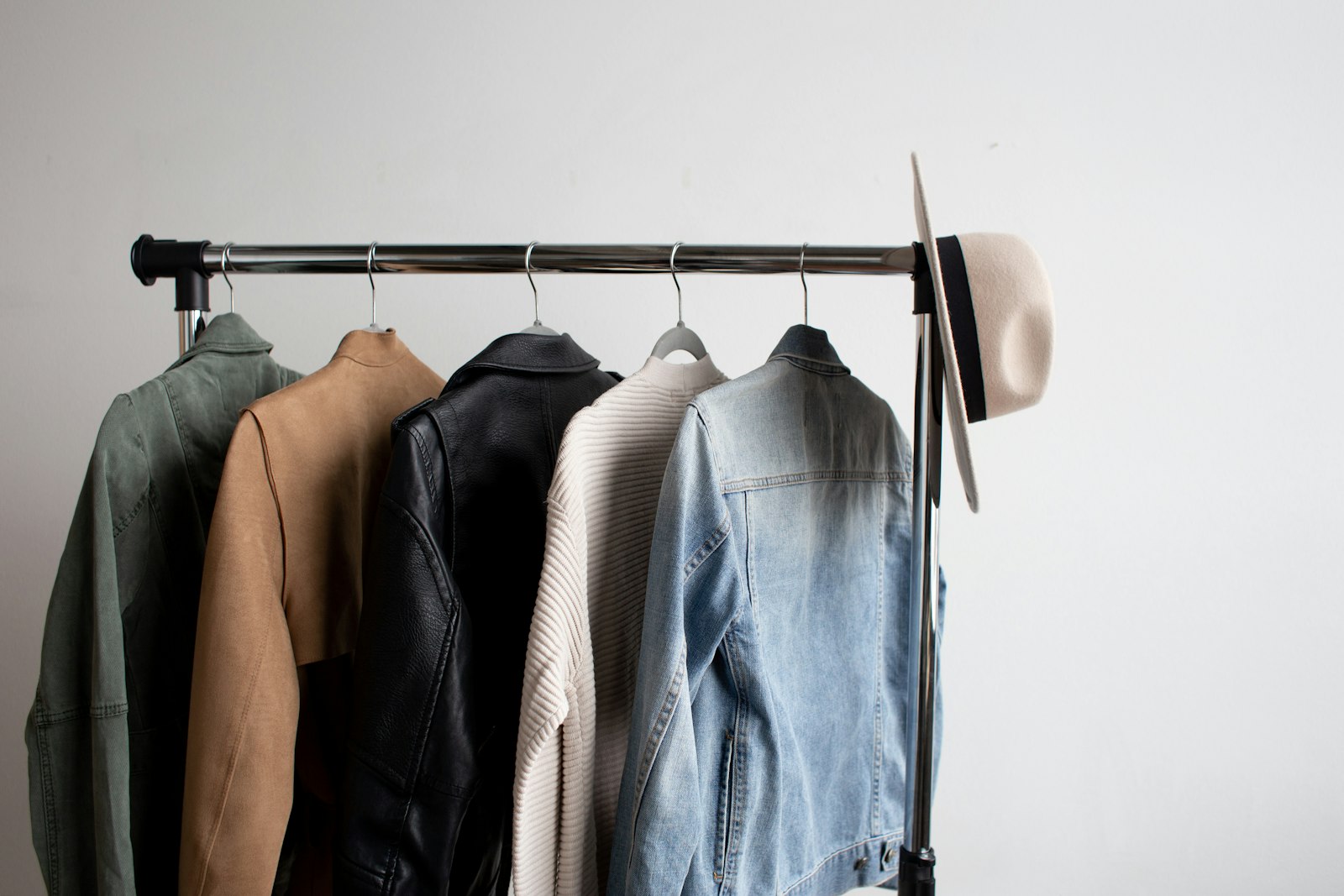
MOQ Explained
Plan your order →
Low-MOQ Production
For startups →Why Bali Resort Wear Wholesale
Wholesale & OEM
Buy our wholesale range or develop your own line full-package (FPP) or cut-make-trim (CMT) — for boutiques, resorts, importers and brands.
Honest Pricing & MOQ
Indicative FOB ranges and clear minimums — we explain the difference between per-style/colour and total-order minimums, so there are no surprises.
Real Fabric Guidance
Rayon, cotton and linen, digital or screen print — with honest advice on rayon shrinkage, colourfastness and sizing, not marketing.
Export Handled
We coordinate vetted Bali factories and buying-houses, manage QC and samples, and handle export packing and documents to your port.
From Enquiry to Delivery
How wholesale & OEM work.
Send your brief
Garments, fabrics, sizing standard, quantity and destination — wholesale or OEM. We send our linesheet and an indicative FOB quote.
Sample & approve
We make a fit sample, agree a master sample, confirm grading, labels, prints and lead time — with honest fabric guidance.
We produce, QC & ship
Vetted workshops produce to spec; we QC and handle export packing and documents. We coordinate; they sew.
At Bali Resort Wear Wholesale, we serve as your honest, expert desk for sourcing high-quality resort and beach apparel directly from Indonesia. We specialise in connecting international buyers – from boutique owners and resort chains to larger importers and fashion brands – with vetted Bali manufacturers for wholesale and OEM/private-label production of kaftans, dresses, cover-ups, sets, kimonos, and linen apparel. Our mission is to demystify the sourcing process, offering transparent insights into FOB pricing, realistic Minimum Order Quantities (MOQs), fabric behaviours, and production timelines that define the landscape of wholesale resort wear Bali.
Understanding Bali Resort Wear Wholesale: Your Sourcing Partner
Bali has long been a global hub for resort wear, known for its creative designs and skilled garment production. However, myriad of workshops and suppliers can be complex. Bali Resort Wear Wholesale acts as your dedicated sourcing and export desk, coordinating with a network of vetted Bali factories and buying houses. We facilitate both Finished Product Production (FPP), where we manage the entire manufacturing process from design to delivery, and Cut-Make-Trim (CMT) services, where you supply the materials and we handle the production. Our focus is on precision, quality, and transparent communication, ensuring your orders meet international standards.
Garment Categories We Facilitate
Our expertise covers a wide array of resort and beach apparel, designed to meet the diverse needs of the global market:
- Kaftans: From flowing maxi kaftans to shorter tunic styles, ideal for beach-to-bar transitions.
- Dresses: Sundresses, slip dresses, maxi dresses, and casual day dresses, often in breathable natural fibres.
- Cover-ups: Essential beach and poolside attire, including sarongs, pareos, and lightweight robes.
- Sets: Coordinated tops and bottoms, such as crop tops with wide-leg pants or skirts, offering versatile styling options.
- Kimonos: Lightweight, open-front garments perfect for layering over swimwear or casual outfits.
- Linen Apparel: A growing category including linen pants, shirts, shorts, and dresses, valued for their natural texture and breathability.
Key Fabrics Sourced in Bali
Fabric choice is paramount in resort wear, dictating drape, comfort, and care requirements. We focus on the most popular and practical fabrics readily available through our network of Bali manufacturers:
- Rayon/Viscose: Widely used for its soft hand, excellent drape, and vibrant print absorption. It’s cost-effective and comfortable in warm climates.
- Cotton: Including cotton voile (lightweight, sheer), cotton gauze (airy, textured), and cotton poplin (crisp, smooth). Cotton offers breathability and durability.
- Linen & Linen Blends: Prized for its natural texture, strength, and cooling properties. Linen blends (e.g., with rayon or cotton) can offer improved drape and reduced creasing.
- Modal: A type of rayon known for its exceptional softness, smooth feel, and resistance to shrinkage compared to traditional rayon. While less common than standard rayon in Bali, it can be sourced for specific projects.
Print & Decoration Methods
Bali’s workshops excel in various methods to bring your designs to life:
- Digital Printing: Ideal for intricate designs, photographic prints, and projects requiring a wide colour palette. It allows for lower MOQs on fabric (some workshops as low as 50-100 metres) but typically has a higher per-metre cost than screen printing.
- Screen Printing: A cost-effective solution for larger production runs with fewer colours. Requires higher MOQs for fabric (typically 300+ metres) due to setup costs for screens, but offers vibrant, opaque results.
- Hand Block Printing: An artisanal method offering unique, subtle variations and a handcrafted aesthetic. This is a network-available option requiring specialist workshops and typically commands higher MOQs and lead times.
- Batik: Traditional Indonesian wax-resist dyeing, producing rich, intricate patterns. This is a highly specialised art form available through specific artisan networks, not a universal offering across all garment factories.
- Embroidery & Crochet: Adding textural detail and a premium feel. These labour-intensive methods add to both cost and lead time, available through specialist embellishment workshops.
Contact us for a detailed quote and linesheet. We’re available via WhatsApp for quicker planning.
FOB Pricing & Cost Transparency: Real Ranges from Bali
Understanding the true cost of production is critical for any B2B buyer. We provide transparent, indicative FOB (Free On Board) pricing ranges, reflecting the realities of sourcing from Bali. These ranges are ‘indicative 2024-2025, FOB Bali, by quote’ and are subject to change based on specific design complexity, fabric choice, print method, and order volume.
Factors Influencing FOB Prices
Several variables directly impact the final FOB price per unit:
- Fabric Type & Quality: Rayon is generally more cost-effective than linen or modal. Higher quality weaves or unique finishes will increase costs.
- Garment Style & Complexity: A simple sarong will be less expensive than an intricately cut maxi dress with multiple panels or detailing.
- Print Method & Coverage: Digital printing offers versatility but can be more expensive per metre than screen printing for high volumes. The number of colours and print area also affect cost.
- Embellishments: Embroidery, beading, crochet, or custom hardware significantly add to labour and material costs.
- Order Volume: Larger quantities almost always result in lower per-unit prices due to economies of scale in fabric purchase and production.
- Packaging Requirements: Basic polybag packaging is standard; custom hang tags, individual boxes, or garment bags will add cost.
Indicative FOB Price Ranges (2024-2025, FOB Bali, by quote)
To give you a realistic expectation, here are typical FOB ranges for popular Bali resort wear items:
- Basic Rayon Cover-up (simple style, single print)
- ~$10-25 USD per unit
- Printed Rayon Maxi Dress (standard print, basic style)
- ~$12-30 USD per unit
- Cotton Voile Kaftan (midi length, screen printed)
- ~$18-45 USD per unit
- Linen Blend Wide-Leg Pant
- ~$15-40 USD per unit
- Embellished Kaftan (hand embroidery/beading)
- ~$30-70+ USD per unit (depending on embellishment density)
These ranges include material costs, cutting, sewing, basic finishing, packaging, and local transport to the port/airport in Bali. They do not include international shipping, duties, or taxes in your destination country.
Minimum Order Quantities (MOQ): Realities
Minimum Order Quantities (MOQs) are one of the most common points of confusion for buyers. It’s crucial to understand the distinction between a workshop’s overall minimum and the per-style/per-colour MOQ.
The MOQ Trap: Style/Colour vs. Total Order
Many Bali manufacturers, especially smaller to mid-sized workshops, will quote a seemingly accessible MOQ per style or per colourway. For instance, they might state 50 units per style. However, the critical detail often overlooked is their *total order minimum* – meaning the combined quantity of all styles and colours needed to make the production run viable for them. This total order minimum can be significantly higher, often 300-500 units for a standard production run.
Our approach: We clarify these distinctions upfront. We work with partners who understand the needs of boutique businesses, offering flexibility where possible, but always transparently communicating the true MOQs required to maintain competitive pricing and production efficiency.
Typical MOQ Ranges for Bali Resort Wear
The following are general guidelines; specific MOQs will always be confirmed by quote:
| Category | MOQ per Style/Colour | Typical Total Order MOQ | Notes |
|---|---|---|---|
| Standard Rayon/Cotton Styles | 50-100 units | 300-500 units | For readily available fabrics and standard prints. |
| Custom Digital Print Fabric | 50-100 units | 300-500 units | MOQ for fabric can be 50-100m, yielding 25-50 garments. Total order still applies. |
| Custom Screen Print Fabric | 100-200 units | 500-1000 units | Higher fabric MOQ (300m+) due to screen setup costs. |
| Specialty Fabrics/Embellishments | 100-150 units | 500-750 units | May require higher minimums for unique materials or labour-intensive work. |
For smaller runs below these minimums, it may be possible to negotiate, but expect a higher per-unit price to offset the workshop’s reduced economies of scale. We advise against pushing for excessively low MOQs if your goal is long-term, cost-effective production.
Fabric Sourcing & Performance in Bali: An Honest Assessment
Our resortwear and fabrics desk makes sure our clients understand the nuances of each material, especially regarding care and behaviour.
Rayon/Viscose: The Bali Staple
Rayon, often interchangeably called viscose, is the most ubiquitous fabric in Bali resort wear. Its popularity stems from its excellent drape, vibrant colour absorption, and relatively low cost.
- Pros: Soft hand, fluid drape, breathable, takes prints beautifully, cost-effective.
- Cons:
- Shrinkage: Rayon is prone to shrinkage, typically 3-5% on the first wash. We advise clients to account for this in sizing and recommend pre-washing fabric where feasible for OEM production.
- Colourfastness: Darker or highly saturated rayon colours can sometimes bleed or fade, especially with improper washing. Hand washing in cold water with mild detergent is generally recommended to preserve colour integrity.
- Wrinkling: While it drapes well, rayon can wrinkle easily.
- Common Types: Plain weave rayon, rayon challis (a softer, slightly heavier drape), and crinkle rayon (pre-crinkled for texture).
Cotton: Breathable & Durable
Cotton offers a different aesthetic and feel, often preferred for its natural, crisp qualities.
- Pros: Excellent breathability, durable, natural fibre, comfortable in heat, less prone to shrinkage than rayon.
- Cons: Can be more prone to wrinkling than some synthetics, can feel stiffer than rayon unless processed.
- Common Types: Cotton voile (very lightweight, semi-sheer), cotton gauze (open weave, textured, airy), cotton poplin (smooth, crisp hand), and cotton linen blends.
Linen & Linen Blends: The Premium Natural Choice
Linen is a timeless choice for resort wear, known for its sophisticated texture and resilience.
- Pros: Exceptionally breathable, strong, absorbent, develops a unique softness with wear.
- Cons: Higher cost than rayon or cotton, prone to heavy creasing (a desirable characteristic for some, a drawback for others), can feel stiff initially.
- Blends: Linen-rayon or linen-cotton blends are popular for combining linen’s texture with improved drape and reduced wrinkling.
Modal: The Soft Alternative
Modal, a regenerated cellulose fibre like rayon, stands out for its superior softness.
- Pros: Silky smooth hand, excellent drape, breathable, more resistant to shrinkage than conventional rayon, holds colour well.
- Cons: Generally higher cost than rayon, less universally available in Bali workshops, may require specific sourcing efforts.
Our commitment: We are honest about fabric behaviour, recommending appropriate care instructions for your labels and discussing potential challenges upfront to manage expectations.
Sampling & Production Lead Times: What to Expect
Successful production hinges on clear communication and realistic timelines. Our process ensures thorough checks at every stage.
The Sampling Process
Sampling is a critical, non-negotiable step to ensure your design, fit, and quality expectations are met before bulk production.
- Process: It typically involves reviewing your tech pack, pattern making, creating a proto sample (for design/construction), fit sample (for sizing/grading), and finally a Pre-Production (PP) sample (final approved garment).
- Cost: Samples are usually charged at 2-3 times the estimated bulk price per unit, plus courier costs. This fee is typically non-refundable as it covers pattern making, small-run fabric sourcing, and dedicated labour.
- Time: Each sample stage can take 2-4 weeks, plus shipping time for review. Expect 6-12 weeks for a complete sampling process, depending on revisions.
Bulk Production Lead Times
Once the PP sample is approved and all deposits are made, bulk production commences.
- Typical Range: 6-12 weeks. This can vary significantly based on:
- Order Size: Larger orders naturally take longer.
- Garment Complexity: Simple cover-ups are faster than intricate dresses with many panels or embellishments.
- Fabric Availability: If custom fabric or print requires longer lead times from mills, this will extend the overall timeline.
- Workshop Load: Bali workshops have peak seasons, and lead times can extend during these periods. Planning ahead is crucial.
- Deposit: A 30-50% upfront deposit is standard to secure fabric, materials, and production slots. The balance is due upon completion and before shipment.
Quality Control & Sizing Considerations
Maintaining quality and consistent sizing is a priority. We coordinate rigorous checks throughout the production cycle.
Sizing Variance: A Bali Reality
It’s important to acknowledge that sizing can exhibit minor variances between different workshops in Bali, even when working from the same tech pack. This isn’t necessarily a sign of poor quality, but rather a reflection of different cutting teams, sewing machine calibration, and manual processes.
- Our Solution: We mitigate this by requiring detailed tech packs with precise measurements and tolerances. We ensure all samples are approved against your measurement specifications, and our QC team monitors during production. Establishing clear grading rules for different sizes is also essential.
Quality Control Stages
Our coordinated approach includes:
- Fabric Inspection: Checking for flaws, colour consistency, and ensuring correct metreage upon arrival at the workshop.
- In-Line Inspection: Spot checks during cutting and sewing to catch issues early.
- Final Inspection (AQL Standard): A comprehensive check of finished garments for measurements, stitching quality, print alignment, and overall appearance before packing.
Export Logistics & Compliance: Your Guide to International Shipping
We streamline the export process, ensuring your resort wear manufacturer Indonesia experience is smooth from production to delivery.
Essential Export Documentation
We facilitate the preparation of all necessary documents for customs clearance:
- Commercial Invoice: Details of the goods, value, and terms of sale.
- Packing List: Itemises contents of each carton, weights, and dimensions.
- Certificate of Origin: Confirms the goods are manufactured in Indonesia, often required for preferential tariffs.
- Bill of Lading (Sea Freight) / Air Waybill (Air Freight): The contract of carriage between the shipper and carrier.
Shipping Methods
- Air Freight: Faster (3-7 days transit), ideal for smaller, urgent shipments or high-value items where speed is critical. Generally more expensive per kilogram.
- Sea Freight: More cost-effective for larger volumes and less time-sensitive shipments (2-4 weeks transit to major ports, plus customs clearance). Available as FCL (Full Container Load) or LCL (Less than Container Load).
Incoterms
Our standard pricing is FOB (Free On Board) Bali, meaning we cover all costs up to the point the goods are loaded onto the vessel or aircraft at a Bali port/airport. We can also arrange EXW (Ex Works) or CIF (Cost, Insurance, and Freight) upon request, coordinating with our logistics partners.
Labeling & Compliance: General Guidance
It’s crucial for importers to understand their destination country’s regulations. We provide general guidance on standard labeling requirements:
- Fibre Content Labels: Most countries (e.g., US FTC, EU, Australia) require labels clearly stating the fibre composition (e.g., 100% Rayon, 60% Cotton / 40% Linen).
- Care Labels: Pictorial symbols or written instructions for washing, drying, ironing, and bleaching.
- Country of Origin: “Made in Indonesia” or “Product of Indonesia.”
- HS Codes: Garments are classified under Harmonized System (HS) Chapters 61 (knitted or crocheted) or 62 (woven). Correct classification is vital for customs duties and taxes.
Important Disclaimer: The information provided on labeling and compliance is for general guidance only and should NOT be considered legal advice. We strongly recommend that you verify all requirements with your customs broker or relevant government agencies in your destination country to ensure full compliance.
Navigating Challenges & Risks in Bali Production
Transparency is a cornerstone of our service. We openly address common challenges to ensure you make informed decisions.
- Rayon Care & Performance: As noted, rayon’s tendency to shrink and potential for colour run (especially dark, vibrant hues) requires careful consideration in design and mandatory care instructions for end-users.
- Sizing Variance: While we implement rigorous QC, minor measurement discrepancies can occur between batches or workshops. Clear communication and approved samples are your best defence.
- MOQ Traps: Be wary of suppliers quoting unrealistically low per-style MOQs without disclosing higher total order minimums. We provide honest, comprehensive MOQ details.
- Sampling Costs vs. Bulk: Understand that samples are an investment, not a free precursor to an order. They are essential for quality assurance and avoiding costly mistakes in bulk.
- Intellectual Property (IP) & Design Copying: While less prevalent with reputable partners, the risk of design copying exists in any manufacturing hub. We advise clients to protect their unique designs and select partners carefully. We work with vetted factories that respect IP.
- Ethical & Fair Labor Due Diligence: We partner with workshops that adhere to fair labour practices. Our vetting process includes assessments of working conditions and wage structures. We encourage clients to conduct their own due diligence or leverage our insights.
Our role at Bali Resort Wear Wholesale is to be your advocate and guide, coordinating with vetted Bali factories and buying houses (offering FPP or CMT). We function as a dedicated sourcing and export desk, not a single factory, providing a broader network and greater flexibility.
Why Partner with Bali Resort Wear Wholesale?
Choosing the right sourcing partner in Indonesia makes all the difference. We offer:
- Expert, Trade-Credible Guidance: Our team brings deep industry knowledge in resortwear fabrics and production.
- Transparent & Honest Communication: Real FOB ranges, honest MOQ discussions, and clear communication about fabric behaviour and production realities.
- Access to a Vetted Network: We connect you with reliable, quality-focused Bali manufacturers, saving you time and mitigating risk.
- Streamlined Sourcing & Export: From design conceptualisation to final delivery, we coordinate the entire process.
- No Greenwashing: We provide factual information on materials and processes, avoiding unverified claims.
We believe in building long-term, trust-based relationships, empowering you to confidently source exceptional resort wear from Bali. No one can pay to change