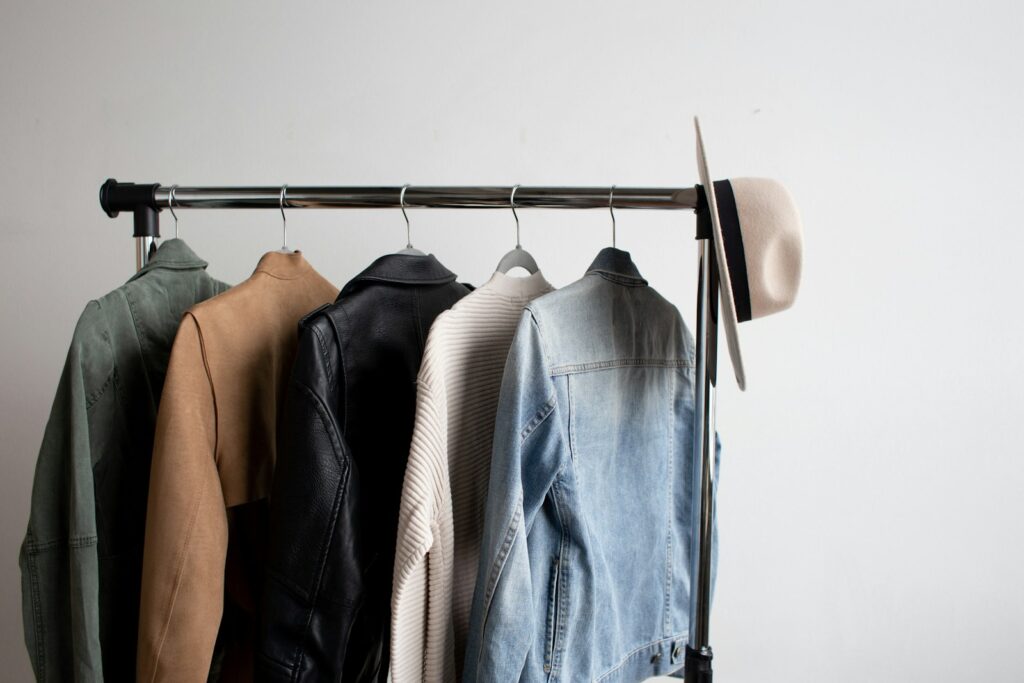
Honest buyer note: Our garments are made by Bali workshops, so expect normal handmade colour variation and sizing tolerance — we work to an approved master sample and size chart. All FOB prices, MOQs and lead times are indicative ranges (2024–2025, FOB Bali) and final pricing is by quote; note the difference between per-style/colour minimums and total-order minimums. Rayon/viscose can shrink or lose colour if mishandled, so we advise wash-testing and proper care labelling. Fibre-content and care-label rules (US FTC, EU, Australia) and HS classification are general information, not legal advice — verify with your customs broker. We coordinate vetted Bali factories and buying-houses (full-package or CMT) and handle export; we respect your designs and IP.
Understanding clothing manufacturer MOQ in Bali is critical for any brand looking to source resort wear, dresses, kaftans, or linen garments. Minimum Order Quantity (MOQ) isn’t just a single number; it represents the lowest volume of apparel a supplier will produce per style, per colour, per fabric, or as a total order, making it a foundational element in your apparel sourcing strategy in Bali.
various MOQs in Bali, from small home industries to larger factories and buying houses, can be complex. This guide aims to demystify the minimum order clothing Bali requirements, offering transparent, trade-credible insights into what to expect when planning your production here.
Deconstructing MOQ: Style, Colour, Fabric, and Total Order Minimums
The most common trap for new buyers is misunderstanding the multi-layered nature of MOQ. A clothing manufacturer MOQ Bali rarely refers to just one number. Instead, it’s a combination of minimums that collectively determine the viability of your order.
* Minimum Per Style (MPS): This is the lowest quantity of a single garment design a factory will produce. For instance, a kaftan design might have an MPS of 20 pieces.
* Minimum Per Colour/Print (MPC): Within that style, you’ll often have a minimum for each colour or print variation. So, if your kaftan MPS is 20, and you want it in three different prints, the MPC might be 20 pieces *per print*.
* Minimum Per Fabric (MPF): Fabric mills impose their own minimums. If you require a custom-dyed fabric or a specific print, the fabric mill might require a minimum order of, say, 100-200 meters. This MPF then dictates the total number of garments you can produce from that fabric, even if your MPS is lower.
* Total Order Minimum (TOM): This is the cumulative minimum value or quantity for your entire production run with a single factory or buying house. This is the crucial “trap” often overlooked. A factory might accept 20 pieces per style, but only if your total order across all styles amounts to 200 pieces or a total value of US$3,000.
Understanding these distinctions is paramount for effective apparel MOQ Bali planning.
Typical MOQ Ranges for Resort Wear in Bali (Indicative 2024-2025)
Bali offers a spectrum of production capabilities, from small workshops catering to niche brands to larger factories handling substantial volumes. Consequently, MOQs vary significantly. The figures below are indicative, FOB Bali, and subject to change by quote, last verified June 2026.
Rayon/Viscose Apparel MOQs
Rayon and viscose are the workhorses of Bali resort wear due to their drape, breathability, and vibrant print capabilities.
* Basic Kaftans, Dresses, Cover-ups (plain dyed):
* MPS/MPC: 20-30 pieces per style per colour.
* Total Order Minimum (TOM): 200-300 pieces across all styles, or a value of US$2,000 – US$3,000.
* Unit Price Range (FOB Bali): US$8 – US$15, depending on complexity, fabric weight, and order volume.
* Screen-Printed Rayon Apparel: Screen printing requires film and screen setup costs, which are amortized over the production run.
* MPS/MPC per print design: 50-100 pieces. Some smaller workshops might accept 30-40, but unit costs will be significantly higher.
* Total Order Minimum (TOM): 300-500 pieces.
* Unit Price Range (FOB Bali): US$10 – US$20, depending on print colours, garment complexity, and volume.
* Digital-Printed Rayon Apparel: While digital printing offers flexibility in design and colour, the fabric itself often comes with higher minimums from the print house.
* Fabric Minimum: 100-200 meters for custom digital prints.
* MPS/MPC per print design: 20-30 pieces (as long as the fabric minimum is met across styles using that print).
* Total Order Minimum (TOM): 200-400 pieces or US$3,000 – US$5,000 value.
* Unit Price Range (FOB Bali): US$12 – US$25, due to higher fabric costs.
Cotton & Linen Apparel MOQs
Cotton and linen blends are increasingly popular for their natural feel and durability, though they may command higher prices and slightly different MOQs.
* Woven Cotton/Linen Dresses, Shirts, Pants (plain dyed):
* MPS/MPC: 30-50 pieces per style per colour. Fabric dyeing minimums can sometimes push this higher.
* Total Order Minimum (TOM): 250-500 pieces, or US$3,500 – US$6,000 value.
* Unit Price Range (FOB Bali): US$15 – US$30+, depending on fabric quality, weave, and garment construction.
* Cotton/Linen with Embroidery or Embellishments:
* MPS/MPC: 30-50 pieces per style per design. Embroidery setup costs can influence this.
* Total Order Minimum (TOM): 300-500 pieces.
* Unit Price Range (FOB Bali): US$20 – US$40+, factoring in the handwork.
Specialty Techniques: Hand-Block, Batik, Crochet, Hand Embroidery
Bali is renowned for its artisanal craftsmanship. While these techniques are available through our network, they are not universal offerings and often come with distinct MOQs and pricing.
* Hand-Block Print:
* MPS/MPC per print design: 50-100 pieces. Block carving is a significant upfront cost.
* Total Order Minimum (TOM): 300-500 pieces.
* Unit Price Range (FOB Bali): US$15 – US$35+.
* Batik (Stamped or Hand-Drawn): Authentic batik is a highly skilled, time-consuming process.
* MPS/MPC per design: 30-50 pieces for stamped batik; 10-20 pieces for hand-drawn (often considered more art piece than bulk production).
* Total Order Minimum (TOM): 200-400 pieces for stamped, higher value for hand-drawn.
* Unit Price Range (FOB Bali): US$25 – US$50+ (can be much higher for complex hand-drawn pieces).
* Hand Crochet or Intricate Hand Embroidery: These are typically niche, higher-end products.
* MPS/MPC: 10-20 pieces for highly skilled work.
* Total Order Minimum (TOM): Can be lower in quantity (e.g., 50-100 pieces) but with a higher total value (US$5,000+).
* Unit Price Range (FOB Bali): US$40 – US$100+, reflecting the intensive labour.
Comparative Overview of Bali MOQ & Pricing (Indicative 2024-2025)
To illustrate the variations, here’s a simplified overview:
- Item Category
- Fabric/Technique
- Typical MPS/MPC
- Typical TOM (Pieces)
- Indicative FOB Bali Unit Price Range
- Basic Resort Dress
- Plain Rayon/Viscose
- 20-30
- 200-300
- US$8 – US$15
- Printed Kaftan
- Screen-Printed Rayon
- 50-100
- 300-500
- US$10 – US$20
- Designer Top
- Digital-Printed Rayon
- 20-30 (fabric min. 100-200m)
- 200-400
- US$12 – US$25
- Linen Blend Shirt
- Plain Linen/Cotton Blend
- 30-50
- 250-500
- US$15 – US$30
- Embroidered Dress
- Cotton with Hand Embroidery
- 30-50
- 300-500
- US$20 – US$40+
- Artisan Piece
- Hand-Batik/Crochet
- 10-50
- 50-400 (higher value)
- US$25 – US$100+
*Note: All prices are indicative 2024-2025, FOB Bali, by quote, and were last verified June 2026. Actual costs depend on design complexity, trims, labels, packaging, and specific factory negotiations.*
The MOQ Trap: Why a Low Style Minimum Isn’t Enough
It’s common for brands to seek out factories advertising “low MOQs per style,” perhaps as low as 12-20 pieces. While this sounds appealing for small businesses or testing new designs, it’s often a partial truth that masks a higher overall requirement.
The real trap lies in the Total Order Minimum (TOM). A factory might accept 20 pieces of a dress design, but they won’t even start their machines unless your *combined* order across all your chosen styles, colours, and sizes reaches a minimum of 200, 300, or even 500 pieces, or a specific total value (e.g., US$3,000 – US$5,000). This is because factories have fixed costs for setup, pattern making, cutting, and administration. Producing just a few pieces is simply not economically viable for them unless they can balance it with a larger volume.
This means you can’t simply order 10 different styles at 20 pieces each and expect to hit the factory’s actual production threshold. You need to plan a cohesive assortment that meets both the per-style minimums *and* the overarching total order minimum.
Planning Your Assortment to Meet Minimum Order Clothing Bali Requirements
Strategic assortment planning is key to navigating resort wear MOQ in Bali. Instead of approaching each style in isolation, consider your entire collection.
1. Core Styles First: Identify 2-3 core designs that you anticipate selling well. These are your “volume drivers.”
2. Colourways & Prints: For each core style, develop 2-4 different colourways or prints. This immediately multiplies your volume for that style without increasing the number of *new* patterns or technical specifications needed.
3. Size Runs: Ensure your size breakdown for each style/colour meets the factory’s minimums (e.g., S-M-L-XL).
4. Supporting Styles: Introduce 2-4 “supporting styles” with lower perceived risk, perhaps in fewer colourways, to round out your collection and help hit the overall TOM.
5. Fabric Efficiency: If using custom-printed fabric, try to use the same print across multiple styles (e.g., a kaftan, a short dress, and a top) to maximize the fabric minimum you’ve already committed to.
This approach allows you to achieve variety in your collection while satisfying the factory’s production efficiencies.
FOB Pricing and Its Relationship to MOQ
FOB (Free On Board) pricing covers the cost of the goods, packaging, and delivery to the port of shipment (e.g., Tanjung Priok, Jakarta, or Ngurah Rai International Airport, Bali). It does not include international shipping, insurance, customs duties, or taxes in your destination country.
A fundamental rule in manufacturing is that MOQ directly impacts unit price.
* Higher MOQ = Lower Unit Price: When you order more units, the fixed costs (pattern making, sample development, factory setup, fabric cutting, screen setup for printing) are spread over a larger number of garments, reducing the cost per piece. Fabric suppliers also offer better pricing for larger meterage orders.
* Lower MOQ = Higher Unit Price (and potential “low-MOQ premium”): Factories often impose a “low-MOQ premium” or simply quote a higher unit price for smaller runs to compensate for their operational inefficiencies. If you push for very small runs, you might pay 30-50% more per unit than for a standard MOQ order.
Our indicative FOB ranges above reflect typical MOQs. Expect prices to be at the higher end of the range, or even exceed it, for orders significantly below the recommended minimums.
Sampling: Costs, Time, and Purpose
Before committing to bulk production, sampling is an essential step. It allows you to verify design, fit, fabric, and construction.
* Sampling Costs: Samples are rarely free. Factories charge for patterns, labour, and fabric swatches. A single sample (e.g., a dress) might cost 1.5x to 3x its bulk production price. This cost is sometimes partially or fully credited back to your bulk order if you proceed with a substantial volume, but this is not guaranteed and must be negotiated.
* Sampling Lead Time: Expect 1-3 weeks for initial samples (proto samples), and another 1-2 weeks for revised samples (fit samples, salesman samples, pre-production samples) after your feedback. This time is crucial and should be factored into your overall production timeline.
* Purpose: Samples are for verification, not for re-designing. Ensure your tech packs (technical specification packages) are as detailed as possible to minimize revisions and sampling costs.
Lead Times & Production Capacity in Bali
Lead times in Bali vary based on factory capacity, current order load, fabric availability, and the complexity of your designs.
* Standard Production Lead Time: For mainstream fabrics like rayon/viscose or basic cotton, expect 6-10 weeks from deposit and sample approval to goods ready for shipment (FOB Bali).
* Specialty Fabrics/Techniques: Hand-block printing, custom batik, or intricate embroidery can extend lead times to 10-14 weeks or more due to the artisanal nature and multi-stage processes involved.
* Peak Season: Bali’s production capacity can get booked up, especially during peak seasons (e.g., before major holidays or European/North American summer buying periods). Plan ahead and communicate your timelines clearly.
* Fabric Sourcing: If your fabric needs to be imported to Indonesia or custom-dyed, this will add to the lead time.
Quality Control and Sizing Variance
Quality control is paramount. While many Bali workshops produce high-quality garments, consistency can be a challenge, especially with smaller, less formalized operations.
* Sizing Variance: Be aware that sizing can vary between different workshops or even between production runs. Ensure you provide clear size charts (grading specifications) and communicate your tolerance for measurement deviations. Consistent quality checks throughout production are vital.
* Fabric Quality: Inspect fabric for defects, consistency in weave, and colourfastness (especially for rayon, which can sometimes bleed or fade if not properly cared for).
* Stitching & Construction: Check for loose threads, uneven seams, skipped stitches, and overall garment integrity.
We coordinate with vetted Bali factories and buying houses, whether for FPP (Full Package Production, where the factory handles everything) or CMT (Cut, Make, Trim, where you supply materials). Our role as a sourcing and export desk is to help you navigate these complexities, not to guarantee perfection without your active engagement in the QC process.
Labeling & Compliance: General Information (Not Legal Advice)
Proper labeling is crucial for international markets. This is general information; always verify requirements with your customs broker or legal counsel.
* US FTC Requirements: Fibre content, country of origin (Made in Indonesia), and care instructions are mandatory.
* EU Requirements: Similar to US, often requiring fibre content, country of origin, and care symbols.
* Australia Requirements: Fibre content, country of origin, and care instructions (often in specific formats).
* HS Codes: Your garments will fall under Harmonized System (HS) codes, typically Chapter 61 for knitted apparel or Chapter 62 for woven apparel. These codes determine import duties and regulations.
* Brand Labels: You’ll need to supply your main brand labels, size labels, and care labels. Ensure they comply with regulations (e.g., no sharp edges, durable print).
We can guide you on standard practices, but final legal compliance rests with your brand and its chosen customs broker.
Ethical Sourcing & Due Diligence
The ethical landscape of apparel production is under increasing scrutiny.
* Fair Labor Practices: Ensure your chosen factory or workshop adheres to fair wages, safe working conditions, and reasonable working hours. While many Bali operations are family-run and operate ethically, it’s wise to conduct your own due diligence.
* Transparency: We advocate for transparency in the supply chain. We work with partners who are open about their practices.
* No Greenwashing: We avoid unverified claims about sustainability. If a fabric is organic, it must be certified. If a process is environmentally friendly, there must be verifiable evidence. Our focus is on practical, responsible sourcing, not unproven marketing hype.
For further discussions on your ethical sourcing requirements, please reach out.
Real Risks in Bali Apparel Production to Be Aware Of
While Bali offers incredible opportunities for unique resort wear, it’s essential to be aware of the inherent risks:
* Rayon Colourfastness/Shrinkage: Rayon and viscose can be prone to colour bleeding, especially darker shades, and shrinkage if not cared for properly (cold hand wash, no tumble dry). Clear care labels are crucial.
* Sizing Variance: As mentioned, inconsistency can arise. Strict QC and clear tech packs mitigate this.
* MOQ Traps: The style vs. total-order minimum discrepancy is a real financial risk if not understood.
* Sampling Cost vs. Bulk: Don’t underestimate sampling costs. They are an investment in your product’s success.
* IP/Design Copying: While most reputable factories respect intellectual property, design copying can occur in competitive markets. Protect your designs with clear agreements.
* Ethical/Fair-Labor Due Diligence: It’s your responsibility to ensure your supply chain aligns with your brand’s values.
Our role is to help you navigate these waters, providing a clear desk for sourcing and export, connecting you with vetted Bali factories and buying houses that align with professional standards. We are not *the* factory but your strategic partner in Bali.
Ready to explore production possibilities? Contact us to plan your production, or send us a WhatsApp message to discuss your project specifics.
Request For Quote (RFQ) Process
To get accurate MOQ and FOB pricing, a detailed Request For Quote (RFQ) is essential. Your RFQ should include:
* Detailed Tech Packs: Including garment sketches, measurements (size chart with grading), fabric specifications (type, weight, composition), construction details, trim details, and print/embellishment artwork.
* Target MOQs: State your desired MPS and total order quantity.
* Target Price (Optional): Providing a target price can help factories gauge if they are competitive, but be realistic.
* Delivery Timeline: Your required ex-factory date.
* Labeling Requirements: Specifications for main labels, care labels, and hang tags.
The more information you provide upfront, the more accurate and timely your quote will be.
Frequently Asked Questions About Clothing Manufacturer MOQ in Bali
What is the absolute minimum per style I can order in Bali?
For simple styles in mainstream fabrics like rayon, you might find workshops willing to do 12-20 pieces per style per colour. However, be prepared for a significantly higher unit price, and almost certainly a much larger *total order minimum* across all styles (e.g., 200-300 pieces or US$2,000+ value). Very low per-style MOQs are often paired with high total order minimums to make production viable for the factory.
What is the typical total minimum order for a Bali clothing manufacturer?
Most professional Bali factories or buying houses require a total minimum order ranging from 200 to 500 pieces across all styles in your collection, or a total value of US$3,000 to US$5,000 (FOB Bali). This ensures they can cover their fixed costs for pattern making, cutting, and production setup.
Can I mix different styles to hit the MOQ?
Yes, absolutely. This is the recommended strategy. You’ll typically have a minimum per style (e.g., 20-30 pieces) and a minimum per colour/print within that style. You then combine multiple styles and their respective colourways to reach the overall total order minimum required by the factory. This allows for a diverse collection while meeting production requirements.
Is there a premium for low-MOQ orders?
Yes, a premium is common. If you push for quantities below a factory’s standard MOQ per style or total order, expect unit prices to be 20-50% higher than the prices quoted for standard MOQs. This covers the factory’s increased overhead per unit for smaller, less efficient production runs.
Can I order samples before committing to a bulk MOQ?
Yes, sampling is a standard and highly recommended practice. You will pay for samples (often 1.5x to 3x the bulk unit price), and there will be a lead time of 1-3 weeks. These costs are sometimes credited against a confirmed bulk order, but this must be negotiated upfront. Sampling is crucial for verifying design, fit, and quality before full production.
We’re here to help you navigate the complexities of clothing manufacturer MOQ Bali and bring your resort wear collection to life. Reach out to us today to start a conversation about your sourcing needs, or connect via WhatsApp for direct assistance. We uphold transparency: no one can pay to change what we publish; if you proceed with our partner they may pay us a referral fee at no extra cost to you.