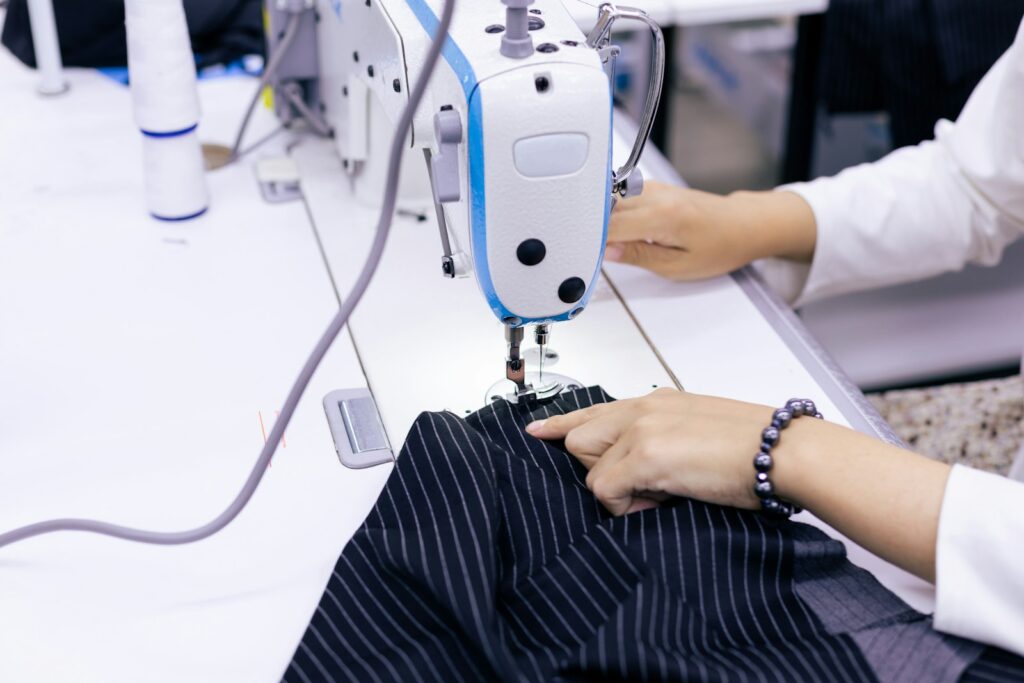
Honest buyer note: Our garments are made by Bali workshops, so expect normal handmade colour variation and sizing tolerance — we work to an approved master sample and size chart. All FOB prices, MOQs and lead times are indicative ranges (2024–2025, FOB Bali) and final pricing is by quote; note the difference between per-style/colour minimums and total-order minimums. Rayon/viscose can shrink or lose colour if mishandled, so we advise wash-testing and proper care labelling. Fibre-content and care-label rules (US FTC, EU, Australia) and HS classification are general information, not legal advice — verify with your customs broker. We coordinate vetted Bali factories and buying-houses (full-package or CMT) and handle export; we respect your designs and IP.
For brands seeking a dedicated resort wear manufacturer Bali can be a complex yet rewarding landscape. At Bali Resort Wear Wholesale, we serve as your B2B sourcing and production desk, connecting you with vetted apparel manufacturer Indonesia suppliers capable of fulfilling your OEM and private-label needs for kaftans, dresses, cover-ups, and linen garments.
Understanding the Bali Resort Wear Manufacturing Landscape
production ecosystem in Bali requires insight into its unique structure. Unlike large industrial zones found elsewhere, Bali’s garment industry is a blend of various operational scales, each with distinct advantages and limitations. Knowing the difference between a factory, a buying house, and home-industry workshops is crucial for effective sourcing and production management.
Factory vs. Buying House vs. Home Industry
The term “clothing manufacturer Bali” can encompass a broad spectrum of operations. Here’s a breakdown of what you might encounter:
- Dedicated Garment Factories:
- These are structured operations with dedicated production lines, in-house machinery (cutting, sewing, finishing), and often, a dedicated QC team. They typically handle larger MOQs and offer more consistent production capacity. Most legitimate factories have proper business licenses and adhere to local labor laws, making ethical sourcing due diligence more straightforward. They are usually found in industrial zones within Denpasar or Gianyar.
- Buying Houses/Aggregators:
- A buying house acts as an intermediary. They do not own production facilities but manage a network of smaller workshops or home industries. Their value lies in project management, sourcing, quality control, and export logistics. For brands with smaller MOQs or complex designs requiring multiple specialist artisans (e.g., combined embroidery and digital print), a reputable buying house can be invaluable. They consolidate orders across various workshops, ensuring consistent communication and often handling local transport. Bali Resort Wear Wholesale operates as a sophisticated sourcing and production desk, akin to a buying house, focusing on vetting suppliers and managing your production from concept to export.
- Home-Industry Workshops:
- These are smaller, often family-run operations with a few sewing machines, typically located within residential areas. They are known for their flexibility, lower MOQs, and often specialize in specific garment types or artisanal techniques. While they can be a source for unique designs and support local communities, managing quality control, capacity, and ethical labor practices requires more direct oversight. Many operate without formal business registration, which can complicate export documentation if not managed by a professional buying house or export agent.
Navigating Production Hubs: Denpasar, Canggu, Gianyar
Bali’s garment production isn’t concentrated in a single industrial area but rather spread across several regions, each with its own characteristics:
* Denpasar: As the capital, Denpasar houses a significant number of mid-sized garment factories and a concentration of fabric suppliers, print houses, and trimming vendors. Logistics for sourcing materials and coordinating production are often more streamlined here.
* Gianyar: Known for its artistic heritage, Gianyar is home to many smaller workshops specializing in artisanal crafts like batik, hand-block printing, and intricate embroidery. Several established garment factories with good infrastructure also operate here, particularly those focusing on higher-quality fashion items.
* Canggu/Kerobokan: While primarily known for tourism, the fringes of Canggu and nearby Kerobokan have seen the emergence of smaller, design-focused workshops and boutiques. These often cater to local brands and smaller international orders, leveraging the creative talent pool in the area. Larger-scale production facilities are less common directly within Canggu.
Our role is to connect you with the right Bali garment factory or network of workshops, whether they are in Denpasar, Gianyar, or managed through a network extending to other areas, ensuring they match your specific production requirements and ethical standards.
Key Considerations for Sourcing Your Apparel Manufacturer in Bali
Successful OEM and private label production in Bali hinges on understanding several critical factors, from pricing structures to quality control protocols. We aim to provide transparent, trade-credible insights to help you make informed decisions.
FOB Pricing: What to Expect from Bali Garment Factories
FOB (Free On Board) pricing covers the cost of manufacturing your goods, packaging them, and delivering them to the port of shipment in Bali (typically Tanjung Benoa). It does not include international shipping, insurance, or import duties in your destination country. Pricing is always “by quote” and depends heavily on design complexity, fabric choice, print method, order volume, and specific embellishments.
Here are indicative FOB Bali price ranges for common resort wear items, last verified June 2026 and subject to change based on material costs and labor:
* Rayon/Viscose Kaftans & Maxi Dresses: Indicative $8 – $25 USD per piece. Prices vary based on length, fabric weight, print complexity, and embellishments (e.g., beading, crochet trim).
* Cotton Sundresses & Tunics: Indicative $7 – $18 USD per piece. Simpler cuts and basic prints fall on the lower end, while intricate designs, specialized weaves, or extensive embroidery push prices higher.
* Linen Dresses & Co-ords: Indicative $15 – $40 USD per piece. Linen is generally a more premium fabric, and the price reflects its cost, cutting precision, and finishing requirements.
* Swim Cover-ups (lighter rayon, chiffon): Indicative $6 – $20 USD per piece. These often use less fabric and simpler constructions, making them more cost-effective.
* Kids’ Resort Wear (rayon/cotton): Indicative $5 – $15 USD per piece. Smaller sizes and fabric consumption generally lead to lower unit costs.
These ranges are indicative for 2024-2025 FOB Bali, by quote. Always request a detailed quote based on your specific tech pack and order volume.
Minimum Order Quantities (MOQ): Unpacking the Traps
MOQ is a frequent hurdle for new brands. Understanding how MOQs are structured in Bali is crucial. Most apparel manufacturer Indonesia workshops specify MOQs in two primary ways:
1. Per Style, Per Colour: This is the most common. For example, 50-100 pieces per style/colour for smaller workshops, or 150-300 pieces for mid-sized factories. Larger operations might require 500+ pieces per style/colour. This means if you want a dress in three colours, you’ll need to order the minimum for each colour.
2. Total Order Minimum: Many factories or buying houses also impose a total order minimum across all styles and colours, such as 500 or 1000 pieces total, or a minimum order value (e.g., $5,000 – $10,000 USD). This is to ensure the order is financially viable for their production run planning.
MOQ Trap Alert: Be wary of manufacturers who quote very low MOQs without clarity. This can sometimes mean they’re aggregating small orders, which might lead to longer lead times or less consistent quality if not properly managed. Always clarify if the MOQ is per style, per colour, or a total order minimum. Our vetted network includes options for various MOQ needs, but transparency is key.
Sampling, Deposits, and Lead Times
The production timeline and financial commitments are standard across the industry:
* Sampling: Expect a dedicated sampling process. A first prototype takes approximately 2-4 weeks. Revisions will add more time. Sampling costs are typically paid upfront and are usually 2-3 times the bulk production price per piece, covering pattern making, fabric sourcing for small quantities, and dedicated labor. Some factories may credit sampling costs against your bulk order if it meets a certain volume.
* Deposits: A standard 50% deposit is required upon sample approval and before bulk production commences. The remaining 50% is due upon completion of the order, prior to shipment from Bali.
* Lead Times:
* Fabric Sourcing & Preparation: 2-4 weeks (depending on availability and custom print requirements).
* Bulk Production: 6-12 weeks (after sample approval and deposit received). This can extend for very large orders, complex designs, or during peak seasons (e.g., before Eid or major holidays).
* Total from order confirmation to ex-factory: Realistically, plan for 8-16 weeks.
Fabric Sourcing and Print Techniques
Bali offers a diverse range of fabric sourcing and embellishment options suitable for resort wear.
Mainstream Fabrics:
* Rayon/Viscose: By far the most popular choice for resort wear due to its drape, breathability, and vibrant print absorption. Available in various weights (e.g., rayon challis, rayon crepe).
* Cotton: From lightweight voile and poplin to heavier twill, cotton is a staple for its natural feel, durability, and comfort. Organic cotton options are available but may require higher MOQs and longer lead times.
* Linen: Valued for its sophisticated texture and breathability, linen is ideal for elevated resort collections. It tends to be a higher price point.
* Other options: Limited quantities of modal, Tencel, and chiffon can also be sourced, though they are less common than rayon or cotton.
Print Methods:
* Digital Printing: Excellent for intricate, multi-colour designs and lower MOQs. Digital print offers superior detail and colour gradient. Most commonly applied to rayon, cotton, and silk.
* Screen Printing: Cost-effective for larger quantities and designs with fewer colours. Each colour requires a separate screen. Ideal for bold patterns and solid colour blocks.
* Hand-Block Printing: A traditional artisanal technique offering unique, slightly imperfect charm. Requires skilled artisans and is best for specific design aesthetics. Available through our network of specialty workshops, particularly around Gianyar.
* Batik: Traditional Indonesian wax-resist dyeing. Can range from simple stamped patterns (batik cap) to intricate hand-drawn designs (batik tulis). Also available through specialty artisan networks.
Embellishments:
* Embroidery: Machine and hand embroidery are widely available, from simple logos to elaborate patterns.
* Crochet & Macrame: Bali has skilled artisans for hand-crocheted trims, inserts, or entire garments, adding a unique, artisanal touch.
* Beading & Sequin Work: Often applied by hand, these embellishments can elevate resort wear pieces.
Quality Control (QC) and Ethical Sourcing in Indonesia
Maintaining quality and ensuring ethical production practices are paramount.
Quality Control:
Our team implements multi-stage QC checks, from fabric inspection upon arrival at the factory to in-line production checks and final random inspections (FRI) before packing. This proactive approach minimizes errors and ensures your products meet specified standards. For FPP (Full Package Production), the factory manages most QC. For CMT (Cut, Make, Trim) or when using smaller workshops, our direct oversight is more intensive.
Ethical Sourcing and Fair Labor:
Ethical production is not just a buzzword; it’s a commitment. We conduct due diligence on our partner factories and workshops to ensure they adhere to fair labor practices. This includes:
* Safe working conditions: Ensuring clean, well-lit, and safe environments.
* Fair wages: Verifying that workers are paid at least the regional minimum wage (e.g., Denpasar minimum wage) and overtime pay where applicable.
* No child labor: Strictly prohibiting the employment of minors.
* Reasonable working hours: Adhering to local regulations on working hours and breaks.
We do not engage with suppliers who fail to meet basic ethical standards. While certifications like BSCI or Sedex are less common among Bali’s smaller factories, our on-the-ground team conducts regular checks and builds long-term relationships based on trust and transparent practices.
The Realities of Bali Production: Risks and Solutions
Transparency means acknowledging potential challenges. Being prepared for these realities helps mitigate risks and ensures smoother production.
Rayon Care: Shrinkage and Colourfastness
Rayon, while beautiful, requires specific care.
* Shrinkage: Rayon is prone to shrinkage, especially if washed incorrectly (hot water, tumble drying). We advise pre-washing fabrics where possible, and always recommend clear care labels specifying cold hand wash or dry clean, and line drying.
* Colourfastness: Darker or highly saturated rayon prints can sometimes have initial colour bleeding. This is a known characteristic of some rayon dyes. Proper fabric preparation and washing cycles by the factory minimize this, but clear care instructions for the end-consumer are vital. Always inform your customers about the recommended care for rayon garments.
Sizing Variance and Pattern Grading
Consistency in sizing is crucial for a brand’s reputation.
* Variance between workshops: If using multiple small workshops, slight sizing variances can occur if not rigorously controlled.
* Pattern Grading: Accurate pattern grading from your base size (e.g., Small, Medium, Large) to a full size run is essential. We work with experienced pattern makers who understand international sizing standards (US, EU, AU) to ensure your garments fit consistently across all sizes. Providing a detailed tech pack with precise measurements is non-negotiable.
Protecting Your Intellectual Property (IP)
Design copying is a real concern in any fashion hub.
* Due Diligence: We vet our partner factories for their reputation and ethical practices.
* Confidentiality: While formal Non-Disclosure Agreements (NDAs) are less common or strictly enforced with smaller Bali workshops, we ensure clear communication and trust-based relationships with our core suppliers. We recommend you register your designs in your home country for robust legal protection.
Labeling and Compliance for International Markets
Accurate labeling is not just good practice; it’s a legal requirement in most major markets.
* Fibre Content & Care Labels:
* US FTC: Requires clear disclosure of fibre content (e.g., “100% Rayon”), country of origin (“Made in Indonesia”), and care instructions.
* EU: Similar requirements for fibre composition and care.
* Australia: Mandates fibre content, care instructions, and country of origin.
* HS Codes: Harmonized System codes are used for customs classification. Resort wear typically falls under Chapter 61 (knitted or crocheted apparel) or Chapter 62 (woven apparel). We provide general guidance on common HS codes, but this is general information, not legal advice. Always verify specific HS classifications and import regulations with your customs broker or freight forwarder in your destination country. Incorrect classification can lead to delays or penalties.
How Bali Resort Wear Wholesale Supports Your Sourcing Needs
As your dedicated sourcing and production desk, Bali Resort Wear Wholesale streamlines the entire process, mitigating risks and ensuring quality. We are not a single factory; rather, we are your experienced team on the ground, coordinating a vetted network of Bali garment factory partners.
We offer:
* Vetted Supplier Network: Access to reliable factories and skilled workshops across Denpasar, Gianyar, and beyond, chosen for their quality, capacity, and ethical practices.
* Full Package Production (FPP) or Cut, Make, Trim (CMT): Whether you need a full-service solution from design to delivery (FPP) or prefer to supply your own materials and just need cutting and sewing (CMT), we can accommodate.
* Tech Pack & Sample Management: We translate your designs into production-ready tech packs and manage the entire sampling process until approval.
* Quality Assurance & Ethical Oversight: Our team implements rigorous QC at every stage and conducts due diligence on labor practices.
* Export Logistics Coordination: We manage the complexities of local transport, export documentation, and coordination with your chosen freight forwarder.
No one can pay to change what we publish; if you proceed with our partner they may pay us a referral fee at no extra cost to you. Our commitment is to your successful production in Bali.
Ready to bring your resort wear collection to life? Contact us today to discuss your OEM or private label project. We’re here to help you navigate the nuances of Bali production with clarity and confidence.
Frequently Asked Questions (FAQs)
Are you a factory?
No, Bali Resort Wear Wholesale is not a single factory. We operate as a dedicated sourcing and production desk, coordinating a vetted network of trusted garment factories and specialized workshops across Bali. This model allows us to match your specific production needs (MOQ, design complexity, fabric requirements) with the most suitable and reliable apparel manufacturer Indonesia has to offer.
What’s the difference between a factory and a buying house?
A factory owns the production facilities, machinery, and directly employs the production staff. A buying house, like our sourcing desk, does not own factories but manages a network of them. We act as your on-the-ground project managers, handling communication, quality control, sourcing, and logistics across multiple production units, providing a consolidated and streamlined service. This is particularly beneficial for brands requiring smaller MOQs or diverse production techniques.
How do I vet a Bali clothing manufacturer?
Vetting involves assessing their capacity, quality standards, ethical practices, and communication. Look for clear communication, transparent pricing, and a willingness to provide detailed quotes and production timelines. Requesting samples of their previous work or conducting a trial order can also be helpful. At Bali Resort Wear Wholesale, we pre-vet our network based on these criteria, saving you significant time and risk.
What capacity can I expect from a Bali garment factory?
Capacity varies widely. Smaller home-industry workshops might produce 500-1,000 pieces per month, specializing in intricate designs. Mid-sized factories typically handle 5,000-15,000 pieces per month, while larger operations can exceed 20,000 pieces per month, especially for simpler styles. Your specific capacity will depend on the factory chosen, the complexity of your designs, and the required MOQ.
What about ethical labor practices in Bali?
Ethical labor is a priority. We conduct due diligence on our partner factories to ensure they meet local labor laws regarding minimum wage, working hours, and safe working conditions. While formal international certifications are less common for many smaller Bali workshops, our team maintains direct relationships and conducts regular checks to ensure fair and respectful treatment of workers.
Ready to explore your OEM and private label options for Bali resort wear? Request your linesheet, sample, or OEM enquiry, and let’s start planning your production with clarity and confidence. You can also reach out via WhatsApp for quicker planning discussions.