Honest buyer note: Our garments are made by Bali workshops, so expect normal handmade colour variation and sizing tolerance — we work to an approved master sample and size chart. All FOB prices, MOQs and lead times are indicative ranges (2024–2025, FOB Bali) and final pricing is by quote; note the difference between per-style/colour minimums and total-order minimums. Rayon/viscose can shrink or lose colour if mishandled, so we advise wash-testing and proper care labelling. Fibre-content and care-label rules (US FTC, EU, Australia) and HS classification are general information, not legal advice — verify with your customs broker. We coordinate vetted Bali factories and buying-houses (full-package or CMT) and handle export; we respect your designs and IP.
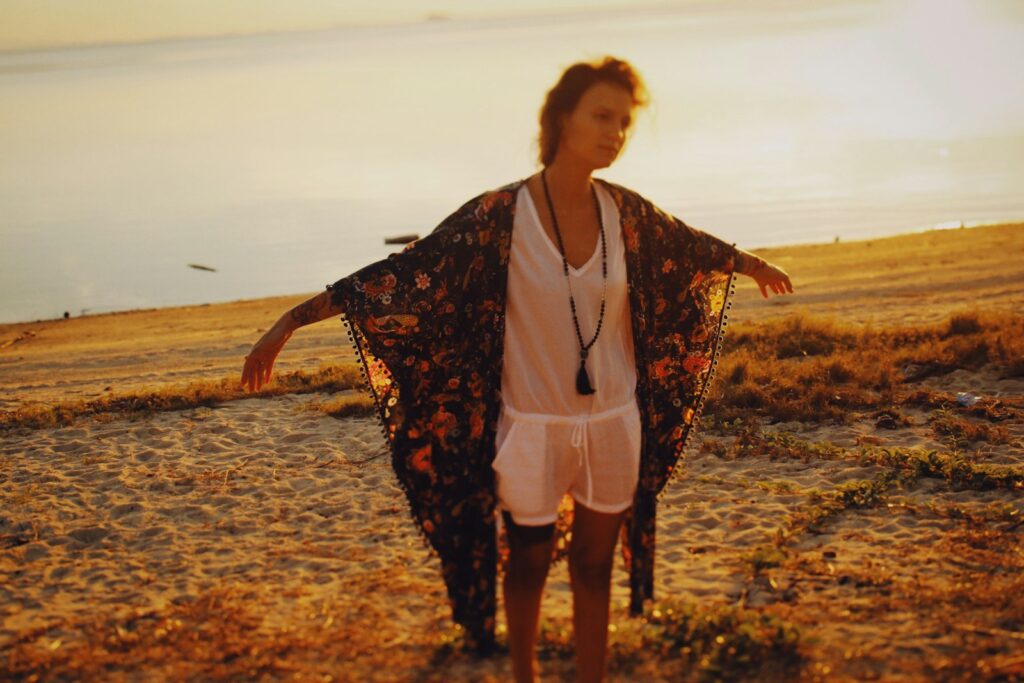
For businesses seeking wholesale kimonos robes from Bali, understanding the nuances of local manufacturing is critical. Bali has carved a distinct niche in the global resortwear market, offering a unique blend of artisanal skill and efficient production for these versatile garments. Whether you require a simple beach cover-up or a luxurious loungewear piece, our desk provides transparent insights into sourcing kimonos and robes, from fabric selection and print methods to pricing and logistics.
Why Bali is a Premier Destination for Wholesale Kimonos & Robes
Bali’s appeal as a manufacturing hub for resortwear, especially kimonos and robes, stems from several factors: a skilled workforce adept at garment construction, access to a variety of fabrics, and a dynamic ecosystem of workshops specializing in print and embellishment. Our island’s workshops excel in producing garments that balance comfort, drape, and aesthetic appeal, making them ideal for resort collections. The expertise here extends beyond basic cut-and-sew, encompassing intricate pattern making, diverse printing techniques, and quality finishing that meet international B2B standards. This specialization makes Bali a reliable partner for those looking to source bulk kimono robe Bali production with consistent quality.
The Bali Difference: Craftsmanship Meets Production Efficiency
Bali’s manufacturing landscape is characterized by a network of small to medium-sized workshops, many of which are family-run. This structure allows for flexibility and attention to detail often missing in larger, less agile factories. For kimonos and robes, this means a focus on fluid drape, precise pattern matching for prints, and robust finishing that ensures garment longevity. While capacity can vary, our vetted network includes workshops capable of handling both smaller runs for emerging brands and larger orders for established labels, all while maintaining the integrity of design and production standards.
Fabric Selection: The Foundation of Your Kimono Collection
The choice of fabric is paramount for kimonos and robes, directly influencing drape, feel, and ultimately, the garment’s market appeal. Bali’s workshops are proficient with a range of lightweight, breathable materials suitable for resortwear. Understanding the characteristics and care requirements of each fabric is essential for making informed sourcing decisions.
Rayon/Viscose: The Go-To for Draping Elegance
Rayon, often referred to as viscose, is a cellulose-based fabric celebrated for its exceptional drape and soft, silk-like feel. It is a workhorse fabric in Bali resortwear due to its affordability, vibrant print absorption, and comfortable wear in warm climates. Most Bali-produced kimonos and robes destined for resort collections are made from various rayon qualities, from lightweight challis to heavier twills.
However, rayon requires specific care. It is prone to shrinking if washed incorrectly (e.g., hot water, tumble drying) and can experience some colour fade over time, particularly with darker or highly saturated digital prints. We advise clear care label instructions: hand wash cold, gentle cycle with similar colours, hang dry, and cool iron. Transparency about these characteristics is crucial for brands to manage customer expectations.
Cotton: Breathable Comfort and Versatility
Cotton offers natural breathability and a comfortable, soft hand-feel. For kimonos and robes, lightweight cotton voiles, muslins, or crinkled cottons are commonly used. These fabrics provide a more structured yet still relaxed drape compared to rayon. Cotton is generally more durable and less prone to shrinkage than rayon, though it can wrinkle more easily. It’s an excellent choice for a more casual, natural aesthetic, and readily accepts various print methods.
Linen: Textured Sophistication and Durability
Linen, derived from the flax plant, is prized for its strength, absorbency, and distinctive textured appearance. While it wrinkles easily, this characteristic is often embraced as part of its natural charm, especially in resortwear. Linen kimonos and robes offer a luxurious, high-end feel and are exceptionally breathable, making them ideal for warm environments. Bali workshops handle linen well, though fabric costs are typically higher than rayon or cotton.
Modal: The Soft Alternative
Modal, a type of rayon made from spun beech wood cellulose, offers an even softer hand and greater resistance to shrinkage and pilling than traditional rayon. Its smooth surface and excellent drape make it a premium choice for high-quality, luxurious robes. While less common than standard rayon in Bali production due to slightly higher cost and specific sourcing, it is available through our network for brands seeking an elevated product.
Here is a comparison of common kimono and robe fabrics sourced in Bali:
| Fabric Type | Drape | Hand-Feel | Breathability | Care Considerations | Typical Use in Kimonos/Robes |
|---|---|---|---|---|---|
| Rayon/Viscose | Excellent, fluid | Soft, silk-like | Good | Prone to shrinkage with heat, potential colour fade. Hand wash cold, hang dry. | Resort cover-ups, loungewear, printed kimonos |
| Cotton (Voile/Muslin) | Moderate, relaxed | Soft, natural | Excellent | Wrinkles easily, generally durable. Machine wash cold, tumble dry low. | Casual beach kimonos, comfortable robes |
| Linen | Structured, natural | Crisp, textured | Excellent | Wrinkles easily, can be stiff initially. Machine wash cold, line dry. | High-end resortwear, luxurious robes |
| Modal | Excellent, smooth | Very soft, smooth | Very Good | Resistant to shrinkage/pilling. Machine wash cold, gentle. | Premium loungewear, soft robes |
Print & Decoration Methods for Bali Kimonos
Bali is renowned for its vibrant textile artistry. A range of printing and decoration methods are available for wholesale beach kimono and robe production, each offering distinct aesthetics and cost implications.
Digital Printing: Versatility for Complex Designs
Digital printing is widely utilized for its ability to reproduce complex, multi-colour designs with photographic precision. It’s ideal for intricate patterns, gradients, and smaller print runs, as it eliminates the need for screens, reducing setup costs for new designs. Most workshops in our network offer digital printing.
– MOQ for digital prints: Often as low as 50-100 meters of fabric per design, which can translate to 25-50 pieces per style/colourway, depending on the garment length.
Screen Printing: Cost-Effective for Larger Volumes
Screen printing is a traditional method best suited for designs with fewer colours and larger production volumes. Once screens are made, the cost per print becomes very efficient. However, each colour requires a separate screen, increasing setup costs for multi-colour designs.
– MOQ for screen prints: Typically higher than digital, ranging from 100-300 meters of fabric per design/colour, or 50-100 pieces per style/colourway.
Hand-Block & Batik: Artisanal Craftsmanship
For brands seeking an authentic, handcrafted aesthetic, hand-block printing and traditional batik are available through specialized artisan networks. These methods involve intricate manual processes, resulting in unique variations that highlight the artisanal nature of the product.
– Hand-block: Wooden blocks are carved with patterns and hand-stamped onto fabric.
– Batik: Wax is applied to fabric to resist dye, creating intricate patterns.
These methods usually come with higher MOQs for fabric (e.g., 200+ meters for custom block carving) and longer lead times due to the labour-intensive nature. They are not universally offered by all garment workshops, but we can connect you with the right specialists.
Embroidery & Crochet: Adding Texture and Detail
Beyond prints, embroidery (both machine and hand-done) and crochet details can elevate kimonos and robes. Embroidery can add logos, motifs, or decorative borders, while crochet can be incorporated as trim or even full panels for a bohemian feel. These embellishments require specialized skills and can add to both cost and lead time.
Sizing & Fit: Navigating One-Size vs. Graded Production
Kimonos and robes are often designed with a relaxed, forgiving fit, and it is common to find them marketed as “one-size fits most” in the resortwear market. This approach simplifies inventory for retailers and can reduce production complexity.
The Prevalence of One-Size
A wholesale kimono robe Bali producer often starts with a “one-size” pattern, developed to comfortably fit a range of body types, typically from US size S to L. This usually involves generous cuts, adjustable waist ties, and open fronts. While convenient, it’s important to understand the dimensions of these “one-size” garments and confirm they align with your target customer’s expectations. Workshops can provide spec sheets for their standard one-size patterns.
OEM for Graded Sizing
For brands requiring precise fit across a range of body types, OEM (Original Equipment Manufacturer) services allow for graded sizing (e.g., S, M, L, XL, Plus Sizes). This involves developing a full size set, with patterns adjusted for each size. Graded sizing naturally increases pattern-making costs and MOQs per size, as workshops need to cut and sew multiple pattern pieces.
– Sizing Variance: A real risk in Bali production is variance in sizing between different workshops, even when provided with the same tech pack. This can stem from differing interpretations of measurements, cutting techniques, or fabric behaviour. Consistent communication and thorough pre-production sampling are essential to mitigate this. Our desk helps standardize these processes across our network.
Understanding FOB Pricing & Minimum Order Quantities (MOQs)
Transparency in pricing and MOQs is a cornerstone of our service. We provide realistic ranges based on current market conditions in Bali, helping you budget effectively. All prices are indicative, FOB (Free On Board) Bali, and subject to change based on material costs, labour, and order specifics.
FOB Price Ranges (Indicative 2024-2025, FOB Bali, by quote)
These ranges reflect common complexities, print methods, and fabric choices.
– Rayon/Viscose Kimonos & Robes: USD 8 – 25 per piece.
* Lower end for basic, short-length, simple screen-printed styles.
* Higher end for long-length, complex digital prints, or added trims/details.
– Cotton Kimonos & Robes: USD 10 – 30 per piece.
* Varies by cotton quality (voile, muslin) and print/embellishment.
– Linen Kimonos & Robes: USD 15 – 40 per piece.
* Reflects higher raw material costs and often more sophisticated finishing.
– Modal Kimonos & Robes: USD 12 – 35 per piece.
* Positioned between rayon and linen in terms of cost.
Minimum Order Quantities (MOQs)
MOQs are a critical factor in wholesale sourcing. Bali workshops, being smaller, often have more flexible MOQs than large-scale factories elsewhere.
– Per Style/Colourway:
* For mainstream fabrics (rayon, cotton) and standard printing (digital/screen): typically 50-100 pieces per style per colourway.
* For specialized techniques (e.g., hand-block, intricate embroidery): 25-50 pieces per style per design, but often with higher fabric yardage minimums.
– Total Order Minimums: Many workshops also have a total order value MOQ, often ranging from USD 1,500 – 3,000. This means you can mix styles and colourways to reach this value, provided individual style/colourway MOQs are met.
– MOQ Traps: Be aware of ‘MOQ traps’. Some suppliers quote a low MOQ but then have high fabric yardage minimums, forcing you to purchase more fabric than you need for a small garment run. Always clarify fabric MOQs separately from garment MOQs. Custom-dyed fabrics or custom-woven materials will almost always have higher MOQs, often 300+ meters, which can produce 200-500 garments depending on pattern usage.
Sampling & Production Lead Times
Effective planning requires a clear understanding of the timeline from design concept to delivery.
Sampling Process & Costs
– Sampling Lead Time: Typically 2-4 weeks from receiving a complete tech pack and fabric/print artwork.
– Sampling Cost: Samples are generally priced at 2-3x the estimated FOB bulk price. This covers the cost of pattern making, small fabric runs, and specialized attention.
– Credit Against Bulk: Many workshops will credit the sample cost against your bulk order once a production commitment is made, often when the bulk order exceeds a certain quantity (e.g., 200-300 pieces).
Production Lead Times
– Garment Production: Once samples are approved and a production deposit (typically 50% of the total order) is received, production generally takes 6-12 weeks. This timeframe depends on order size, fabric availability, print complexity, and workshop capacity.
– Factors Affecting Lead Times: Peak seasons (e.g., before major holidays like Christmas or Eid) can extend lead times. Fabric sourcing, especially for specialized or imported materials, can also add to the timeline.
OEM & Private Label Services with a Bali Robe Manufacturer
Our network of robe manufacturer Bali partners offers comprehensive OEM (Original Equipment Manufacturer) and private label services. This means you can bring your unique designs, branding, and specifications to life.
Custom Design & Development
From initial sketches or tech packs, workshops can develop patterns, source fabrics, create prints, and produce prototypes. We facilitate this process, ensuring your vision is accurately translated into a tangible product.
Branding & Packaging
Private labeling includes custom woven labels, hang tags, care labels, and packaging solutions. We guide you on standard practices and ensure your branding elements are incorporated correctly.
Intellectual Property (IP) Protection
Protecting your designs is paramount. While Bali workshops thrive on creativity, IP theft is a real concern in any manufacturing hub. We emphasize clear agreements, non-disclosure practices, and careful selection of partners known for integrity. We recommend clients register their designs where possible and clearly mark designs as proprietary.
Export Logistics & Compliance: Getting Your Kimonos to Market
Navigating international shipping and customs can be complex. We provide general guidance on export logistics from Bali, but always recommend consulting with your customs broker for specific legal advice.
Shipping Options
– Sea Freight: Cost-effective for larger volumes (FCL – Full Container Load) or smaller consolidated shipments (LCL – Less than Container Load). Lead times to major ports (e.g., US, EU, Australia) typically range from 4-6 weeks.
– Air Freight: Faster for urgent or smaller orders, with transit times of 3-7 days. Significantly higher cost per kg than sea freight.
Customs, Duties & HS Codes
– FOB (Free On Board): Our standard quote method means we are responsible for getting the goods to the port of loading (e.g., Tanjung Benoa, Bali) and onto the vessel. You, the buyer, are responsible for shipping costs from that point, insurance, customs clearance, duties, and taxes in your destination country.
– Harmonized System (HS) Codes: Kimonos and robes typically fall under Chapter 61 (knitted or crocheted) or Chapter 62 (woven) of the HS codes. For example, woven dresses, skirts, and similar garments often use codes like 6204.4X. It is crucial to verify the correct HS code with your customs broker to determine applicable duties and taxes.
Fibre Content & Care Labels
Compliance with international labeling regulations is mandatory.
– US FTC (Federal Trade Commission): Requires clear disclosure of fibre content (e.g., 100% Rayon), country of origin (Made in Indonesia), and care instructions.
– EU & Australia: Similar requirements for fibre content, country of origin, and care symbols/instructions.
We ensure our partners understand these requirements and can produce compliant labels for your market. However, ultimate legal responsibility for compliance rests with the importer (you).
Navigating Risks & Ensuring Ethical Sourcing
Honesty about challenges is key to successful long-term partnerships. We facilitate due diligence to minimize risks and promote ethical practices.
Real Risks in Bali Production
– Rayon Colourfastness & Shrinkage: As mentioned, rayon requires careful washing. Darker or vibrant digital prints can sometimes exhibit minor colour run in the first wash or fade over time if not cared for properly. Shrinkage of up to 5% is common if not pre-shrunk or if care instructions are ignored.
– Sizing Variance: Even with detailed tech packs, slight variations in garment measurements can occur between production batches or different workshops. Rigorous QC (Quality Control) and consistent communication are essential.
– MOQ Traps: Always clarify total fabric yardage minimums versus garment piece minimums to avoid over-ordering raw materials.
– Sampling Cost vs. Bulk: Understand that sampling is an investment. It protects your bulk order but is not a free service.
– IP/Design Copying: While our network is vetted for integrity, general market IP risks exist. Clear design protection measures and trustworthy partners are vital.
– Ethical/Fair-Labor Due Diligence: We prioritize connecting you with workshops that adhere to fair labor practices. This includes fair wages, safe working conditions, and no child labor. We engage with partners who demonstrate a commitment to ethical production, though formal certifications can be less common among smaller Bali workshops. We coordinate with vetted Bali factories and buying-houses, operating as a sourcing and export desk, not a single factory. This allows us to match your needs with the most suitable, ethical producers.
We believe that no one can pay to change what we publish; if you proceed with our partner they may pay us a referral fee at no extra cost to you. Our commitment is to provide objective, trade-credible information.
Plan your trip to effective sourcing. Get in touch with us via our contact page or WhatsApp to discuss your specific requirements for wholesale kimonos and robes.
Frequently Asked Questions About Wholesale Kimonos & Robes in Bali
What is the typical FOB range for a rayon kimono robe from Bali?
Based on indicative 2024-2025 pricing, a rayon kimono robe can range from USD 8 to 25 per piece, FOB Bali. This range is influenced by factors such as garment length, print complexity (e.g., simple screen print vs. intricate digital print), and any additional trims or embellishments. A custom quote will provide a precise cost.
Can I order graded sizes (S-XL) for my wholesale kimonos, or are they mostly one-size?
While many Bali-produced kimonos and robes are initially designed as “one-size fits most” for ease of inventory, our network of robe manufacturers in Bali offers full OEM services for graded sizing. This means you can provide your specific size chart and tech packs to produce kimonos in S, M, L, XL, and even plus sizes, tailored to your brand’s specifications. Be aware that graded sizing typically incurs higher pattern-making costs and may require slightly higher MOQs per size.
What is the minimum order quantity (MOQ) for custom-printed kimonos in Bali?
For custom-printed kimonos using mainstream fabrics like rayon or cotton, the MOQ for a specific style and colourway generally ranges from 50 to 100 pieces. For digital prints, fabric MOQs can be as low as 50-100 meters, allowing for more flexibility. However, it’s crucial to also consider any total order value minimums, which often sit around USD 1,500 – 3,000, allowing you to mix different styles and prints to meet this threshold.
What fabric options are best for wholesale beach kimonos, and how do they impact care?
For wholesale beach kimonos, rayon/viscose and lightweight cottons (like voile or muslin) are popular choices due to their breathability and drape. Rayon offers a silky feel and vibrant print reproduction but requires gentle hand washing and air drying to prevent shrinkage and potential colour fade. Cotton is more durable and breathable, generally easier to care for (machine washable), but can wrinkle more easily. Both are excellent choices, but specifying care instructions clearly on your labels is vital.
How does Bali Resort Wear Wholesale ensure ethical labor practices among its suppliers?
We work diligently to coordinate with vetted Bali factories and buying houses that demonstrate a commitment to ethical labor practices. This involves prioritizing partners known for providing fair wages, maintaining safe working conditions, and adhering to local labor laws. While formal, external certifications can be less common among smaller, traditional Bali workshops, our selection process emphasizes integrity and responsible production practices within our network.
Plan your trip to efficient sourcing today. Reach out to us for a wholesale enquiry, OEM enquiry, or to request a linesheet and samples. We’re also available for discussions via WhatsApp.