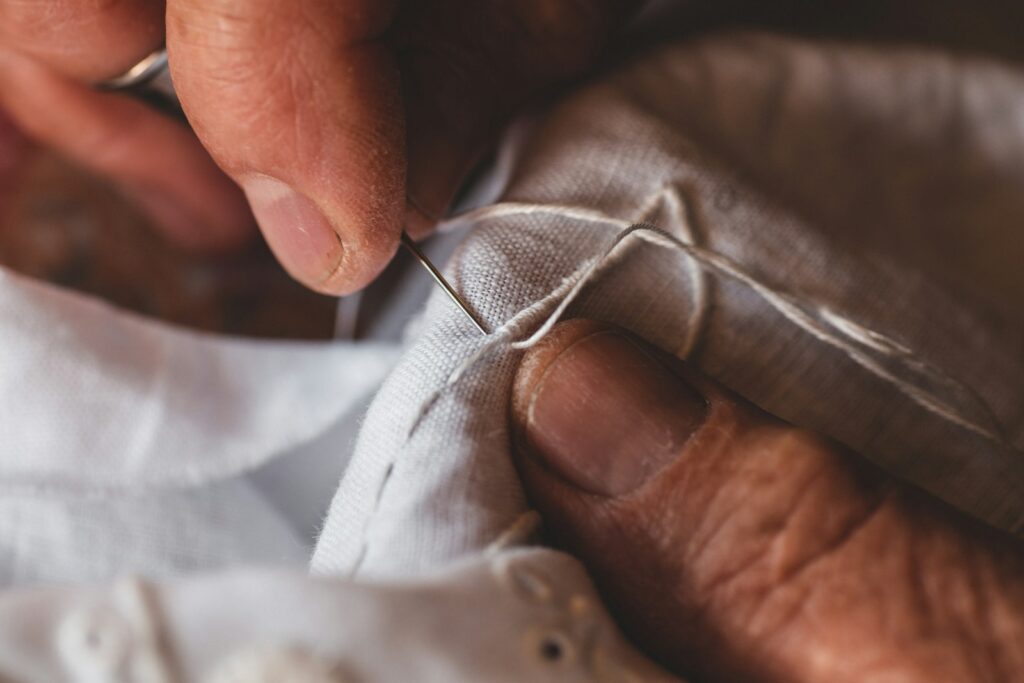
Honest buyer note: Our garments are made by Bali workshops, so expect normal handmade colour variation and sizing tolerance — we work to an approved master sample and size chart. All FOB prices, MOQs and lead times are indicative ranges (2024–2025, FOB Bali) and final pricing is by quote; note the difference between per-style/colour minimums and total-order minimums. Rayon/viscose can shrink or lose colour if mishandled, so we advise wash-testing and proper care labelling. Fibre-content and care-label rules (US FTC, EU, Australia) and HS classification are general information, not legal advice — verify with your customs broker. We coordinate vetted Bali factories and buying-houses (full-package or CMT) and handle export; we respect your designs and IP.
When sourcing resort wear, understanding clothing sizing variance is critical for maintaining consistent quality across your inventory. This inherent challenge in garment manufacturing, particularly in regions with diverse production methods like Bali, can lead to discrepancies in garment dimensions from one workshop to another, or even within the same batch. As the Export, Labeling & Compliance Editor desk at Bali Resort Wear Wholesale, our role is to shed light on these practical realities, helping B2B buyers like you navigate the complexities of achieving reliable apparel size consistency.
In the B2B fashion supply chain, where reputation hinges on predictable quality, addressing sizing differences proactively is not merely a preference—it is a necessity. Buyers often face issues ranging from customer returns due to ill-fitting garments to logistical complications arising from inconsistent inventory. Our aim at Bali Resort Wear Wholesale is to demystify these challenges and provide actionable insights, ensuring you can confidently manage sizing tolerance clothing expectations and production outcomes.
The Core Reasons Behind Sizing Inconsistency
The journey from a design concept to a finished garment involves numerous steps, each a potential point of deviation for sizing. Understanding these factors is the first step toward mitigating variance.
Different Pattern Blocks and Grading Systems
Each garment workshop typically develops its own set of base patterns, often influenced by local sizing conventions, target demographics, and the experience of their pattern makers. These patterns, known as “blocks,” form the foundation for all subsequent designs. When a buyer provides a design, a workshop might adapt it to their existing blocks rather than creating a new pattern from scratch, or interpret measurements differently. Furthermore, the process of “grading”—scaling a base pattern up or down to create a full range of sizes (e.g., S, M, L, XL)—can also vary significantly. Different grading rules, increments, and techniques can lead to noticeable differences in proportions and fit between sizes from one workshop to another, even if the base size started similarly.
Fabric Characteristics and Shrinkage
The type and properties of the fabric play a substantial role in a garment’s final dimensions. Fabrics like rayon, a popular choice for resort wear due to its drape and breathability, are known to be prone to significant shrinkage after the first wash, often ranging from 5-10%. Cotton can also shrink, albeit typically less predictably depending on its weave and pre-treatment. Even within the same fabric type, variations in weave tension, fibre composition, and finishing treatments can affect how it behaves during cutting, sewing, and laundering. A fabric that stretches slightly during sewing can result in a larger garment, while one that is cut off-grain might twist or pull, affecting its perceived size and fit.
Cutting and Sewing Practices
The precision of the cutting and sewing processes directly impacts final garment dimensions. In smaller workshops, fabric might be hand-cut in layers, which, while offering flexibility, can introduce slight inaccuracies compared to automated, computer-guided cutting systems used in larger facilities. Similarly, the skill level and consistency of individual sewers are paramount. Variations in seam allowance—the distance between the fabric edge and the stitching line—or inconsistencies in sewing machine tension can subtly alter a garment’s size. Even a small deviation of 0.5 cm in a seam allowance, repeated across multiple seams, can accumulate to a significant difference in the overall garment width or length.
Quality Control Standards and Inspection
The rigor and methodology of quality control (QC) vary widely. Some workshops may have a dedicated QC team that measures a statistically significant percentage of garments against a specification sheet. Others might rely on visual inspection or spot checks, which are less effective at catching subtle sizing deviations. The tools used for measurement (e.g., tape measures, rulers) and the consistency of how measurements are taken (e.g., laid flat, on a hanger) also influence the perceived accuracy. A robust QC process is essential for identifying and rectifying sizing inconsistencies before garments are packed and shipped.
Human Factor and Skill Level
Bali’s garment production often involves a blend of artisanal craftsmanship and modern manufacturing. While this contributes to the unique appeal of “made in Bali” products, it also means a higher reliance on human skill and judgment. Pattern makers, cutters, and sewers, even with training, will naturally have slight variations in their execution. An experienced artisan might consistently produce garments that are true to size, while a less experienced one might inadvertently introduce minor deviations. Over time, these small individual differences can contribute to broader clothing sizing variance across a production run if not managed through rigorous training and oversight.
Navigating Sizing Variance: Strategies for Buyers
As a buyer, you have powerful tools at your disposal to minimize clothing sizing variance and ensure greater apparel size consistency in your orders. Proactive communication and clear specifications are key.
Establishing Clear Tech Packs and Size Charts
The Technical Specification Pack (Tech Pack) is your most crucial document. It’s the blueprint for your garment and must include comprehensive details:
* Detailed Size Chart: Specify every key measurement point (e.g., bust, waist, hip, length, sleeve length, shoulder width) for *each* size.
* Measurement Tolerance: Define acceptable deviations for each measurement (e.g., +/- 1.5 cm). This establishes your sizing tolerance clothing limits.
* Fabric Specifications: Type, weight, composition, and any pre-treatment instructions (e.g., pre-shrunk).
* Construction Details: Stitch type, seam allowance, finishing details.
* Artwork Placement: Exact positioning for prints or embellishments.
A precise tech pack leaves little room for interpretation and forms the basis for all production and quality control checks.
Implementing Pre-Production Samples (PPS)
Never skip the Pre-Production Sample (PPS) stage. After your initial samples (prototypes/fit samples) are approved, the PPS is made using the exact fabric, trims, and production methods intended for your bulk order. This is your final opportunity to:
* Verify Sizing: Measure the PPS meticulously against your tech pack.
* Assess Fit: Check the fit on a model or mannequin in your target size.
* Approve Construction: Ensure all details match your specifications.
Any adjustments or approvals at this stage must be communicated clearly and documented. The approved PPS then becomes the “golden sample” against which all bulk production garments are measured.
Discussing Sizing Tolerance Clothing with Your Manufacturer
Before production begins, have an explicit conversation with your manufacturer about sizing tolerance clothing. Agree on acceptable measurement deviations for each key point on your size chart. For example, for a bust measurement of 50 cm, you might agree to a tolerance of +/- 1.5 cm, meaning the actual measurement should fall between 48.5 cm and 51.5 cm. This transparency sets clear expectations for both parties and provides a quantifiable benchmark for quality control. It also helps manage expectations, as absolute zero variance is often unrealistic in garment production.
Post-Production QC and Measurement Checks
Even with thorough pre-production planning, final quality control is essential. Before shipment, a percentage of your order should be randomly selected and measured against the approved PPS and your tech pack. This can be done by your manufacturer’s QC team, an independent third-party inspector, or even your own representative if you have one on the ground. Focus on critical measurements and areas prone to variance. Documenting these checks provides valuable data for continuous improvement and accountability.
Bali Resort Wear Wholesale: Our Approach to Apparel Size Consistency
At Bali Resort Wear Wholesale, we understand that reliable apparel size consistency is paramount for your business. We act as your knowledgeable partner, bridging the gap between your specific requirements and the realities of production in Bali.
Our approach to mitigating clothing sizing variance is built on several pillars:
1. Rigorous Tech Pack Adherence: We emphasize the importance of comprehensive tech packs and work with our network of workshops to ensure they are meticulously followed. We can assist in refining your tech packs to be clear and unambiguous for local production.
2. Standardized Measurement Protocols: We work with workshops that understand and implement standardized measurement techniques during sampling and production QC.
3. Dedicated Sampling Process: Our sampling process is structured to provide accurate pre-production samples that reflect final production capabilities, allowing for thorough verification of sizing and fit before bulk production.
4. In-House Quality Checks: While workshops conduct their own QC, we perform additional spot checks and final inspections on a percentage of garments to verify key measurements against your approved PPS and tech pack.
5. Transparent Communication: We maintain open lines of communication regarding potential challenges, such as fabric shrinkage or specific workshop capabilities, ensuring you are fully informed throughout the production cycle.
Our goal is to provide you with resort wear that meets your specifications, allowing your customers to enjoy the consistent fit they expect from your brand.
Understanding Our Product Ranges, MOQs, and Lead Times
To help you plan your sourcing effectively, here is an overview of our typical offerings, minimum order quantities, and production timelines. These figures are indicative and subject to change based on specific design complexity, fabric availability, and market conditions.
| Product Category | Fabric Options | Print Methods | FOB Range (USD) | MOQ (per style/colourway) | Sampling Lead Time (Weeks) | Production Lead Time (Weeks) |
|---|---|---|---|---|---|---|
| Simple Kaftans & Cover-ups | Rayon Lightweight, Cotton Voile | Digital, Screen Print | 6.00 – 12.00 | 50 – 100 pcs | 2-3 | 6-8 |
| Midi/Maxi Dresses | Rayon Challis, Cotton Poplin | Digital, Screen Print | 12.00 – 25.00 | 50 – 100 pcs | 3-4 | 8-10 |
| Tops & Blouses | Rayon Voile, Cotton Voile | Digital, Screen Print | 8.00 – 18.00 | 50 – 100 pcs | 2-3 | 6-8 |
| Linen Blend Apparel (Dresses, Pants) | Linen Blends (Cotton-Linen, Rayon-Linen) | Digital, Screen Print | 18.00 – 35.00 | 75 – 120 pcs | 3-4 | 10-12 |
Note: FOB ranges are 2024-2025 FOB Bali by-quote (verified-vs-norm). Pricing is indicative and subject to final quotation. MOQs for linen blends are often higher due to fabric mill minimums. Hand-block and batik printing are available through our network of specialized artisans for specific projects, not a universal workshop capability. Lead times are last verified June 2026 and commence after sample approval and deposit.
Essential Disclosures for Your Bali Sourcing
Transparency is key to a successful partnership. Here are some critical points we always discuss with our B2B clients.
Rayon Care and Colourfastness
Rayon is a beautiful, flowing fabric ideal for resort wear, but it requires specific care. Expect rayon shrinkage of approximately 5-10% on the first wash. We strongly advise cold hand washing and line drying to minimize shrinkage and maintain garment integrity. Additionally, while we strive for the best quality dyes, some vibrant colors, especially in natural fibres or certain printing methods, may exhibit initial colour bleed. It is always recommended to test wash a single garment or a small batch first. Educating your end-customers about proper care is essential for their satisfaction.
MOQ Traps
Minimum Order Quantities (MOQs) are a reality in wholesale production. They exist because workshops have fixed costs (pattern making, machine setup, fabric purchasing minimums) that need to be spread across a certain volume to make production economically viable. While our stated MOQs are generally 50-100 pieces per style/colour, be aware of potential “MOQ traps.” For instance, if you want a custom-dyed fabric, the fabric mill itself might have a higher MOQ (e.g., 500-1000 meters), which would then dictate a higher garment MOQ. We will always communicate these factors clearly upfront. It’s crucial to balance your inventory needs with production realities.
Intellectual Property (IP) Protection
Your designs are your brand’s valuable assets. We take Intellectual Property (IP) protection seriously. We work with workshops that respect client designs and can implement Non-Disclosure Agreements (NDAs) to safeguard your unique patterns and prints. Our process ensures that your designs are handled with discretion and integrity throughout the sampling and production stages.
Ethical Due Diligence
Ethical sourcing is a core value at Bali Resort Wear Wholesale. We are committed to working with workshops that uphold fair labor practices, provide safe working conditions, and pay equitable wages. We conduct regular visits and assessments to ensure our partners meet these standards, giving you peace of mind that your products are made responsibly. We believe in fostering long-term, respectful relationships with our manufacturing partners and their employees.
HS Classification, Labeling, and Compliance (US, EU, AU)
Navigating international trade regulations can be complex. Each country, including the US, EU, and Australia, has specific requirements for Harmonized System (HS) classification, fibre content labeling, care instructions, country of origin, and potentially other compliance standards (e.g., REACH for chemical safety in the EU). While we provide general information and guidance, these regulations are subject to change and interpretation. It is imperative that you consult with your own customs broker or legal counsel in your target market to ensure full compliance. We facilitate the provision of necessary documentation from our end, but the ultimate responsibility for import compliance rests with the buyer. This information should not be taken as legal advice.
At Bali Resort Wear Wholesale, we pride ourselves on being the honest B2B desk for Bali resort wear, offering wholesale and OEM/private-label kaftans, dresses, cover-ups, and linen. Our commitment to transparency, quality, and ethical practices aims to make your sourcing experience as smooth and predictable as possible.
Frequently Asked Questions
Q? What’s the best way to ensure my sizing is accurate when ordering from Bali?
The best approach is to provide a highly detailed tech pack with clear measurements and acceptable tolerances for each size. Follow this with a thorough review and approval of pre-production samples (PPS) from your chosen workshop. This ‘golden sample’ then becomes the benchmark for all bulk production.
Q? Can I mix and match sizes within the minimum order quantity?
Generally, MOQs are specified “per style, per colourway.” Within that MOQ (e.g., 50 pieces), you can usually distribute the sizes (S, M, L, XL) according to your needs. However, confirm the specific breakdown flexibility with your account manager, as it can vary slightly between workshops and fabric types.
Q? How do I account for rayon shrinkage in my size specifications?
When creating your size chart, it’s prudent to design with the expected 5-10% rayon shrinkage in mind. Some buyers prefer to specify measurements for “post-wash” garment dimensions, while others will instruct the workshop to cut slightly larger to account for shrinkage. Always discuss this strategy with your manufacturer and verify the final dimensions after washing the pre-production sample.
Q? What if I receive an order with significant sizing variance?
If you receive an order where a substantial number of garments fall outside the agreed-upon sizing tolerances from your tech pack and approved PPS, document the discrepancies with clear measurements and photos. Immediately contact us with this evidence. We will work with the workshop to investigate the issue and discuss potential remedies, which could range from rework to credit, depending on the severity and cause of the variance.
Q? Does digital printing affect garment sizing or fabric stability?
Digital printing itself typically has minimal direct impact on garment sizing, as it’s a surface application process. However, the fabric pre-treatment required for digital printing or the heat-setting process can sometimes cause minor changes in fabric hand or drape. We ensure our workshops use appropriate methods to maintain fabric stability throughout the printing process, but any specific concerns can be addressed during sampling.
Ready to discuss your next collection?
We invite you to connect with us for a detailed discussion about your wholesale or OEM/private-label resort wear needs. We can help you navigate the nuances of production in Bali, from ensuring apparel size consistency to managing export logistics. Reach out via our contact form or send us a WhatsApp message to request our linesheet and start planning your order.